2026 Top Dog Training Treats for Positive Reinforcement

Time:2026-10-16 Author:Isabella
0%

Training treats are small tools with a serious job. They help dogs connect a specific behavior with a rewarding outcome. The American Pet Products Association’s 2023–2024 National Pet Owners Survey estimated that 65.1 million U.S. households owned dogs. That figure reflects a large and diverse training audience, from first-time puppy owners to experienced handlers.

Veterinary behavior specialists generally support reward-based methods when rewards are delivered clearly and safely. The American Veterinary Society of Animal Behavior recommends positive reinforcement and discourages training methods based on fear, pain, or intimidation. Research published in the Journal of Veterinary Behavior also links reward-based training with better welfare outcomes than aversive approaches. Still, treats are not magic. No treat works for every dog.

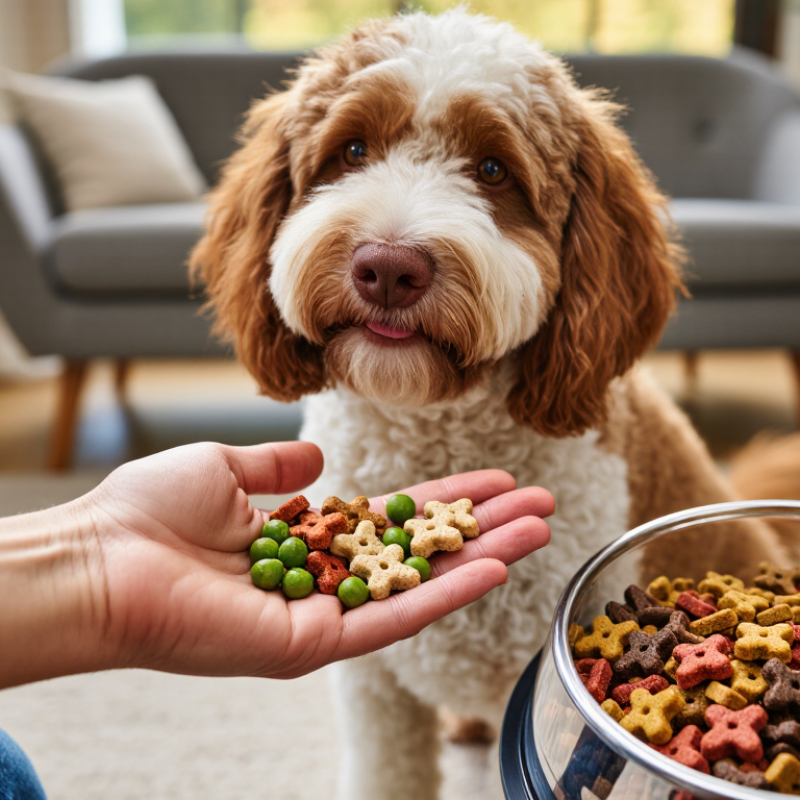
This guide examines the 2026 top dog training treats for positive reinforcement. It considers ingredient quality, calorie density, texture, size, smell, and practical handling. A soft pea-sized treat may work well during a busy sidewalk session. A crunchy biscuit may suit a calm “stay” exercise at home. Always check the feeding directions, especially for puppies, senior dogs, and animals with dietary restrictions.

Readers will also learn how to use treats for positive reinforcement training without creating accidental dependence. Timing matters. Reward the correct behavior within seconds, then gradually vary rewards as the behavior becomes reliable. I would not claim that every popular product deserves equal trust. Labels can be confusing, and marketing often sounds stronger than the evidence. Veterinary guidance remains important when allergies, obesity, or medical conditions affect food choices.
2026 Top Dog Training Treats for Positive Reinforcement

What Makes a Dog Training Treat Effective for Positive Reinforcement

An effective dog training treat must earn attention without overwhelming the dog. Small, soft pieces work well because dogs can swallow them quickly. Training should continue, not pause for chewing. The treat should smell appealing and remain easy to break into smaller portions. Texture matters.

In my experience, the best reward depends on the individual dog. One dog may work eagerly for a moist piece, while another prefers a crunchy bite. Test the response during a quiet session, then repeat it outdoors. A treat is useful when it arrives within one or two seconds of the desired behavior. Delayed rewards can confuse the dog. Timing beats size.

Ingredient quality also matters. Choose treats with clearly listed ingredients and avoid anything that causes digestive trouble. Consider allergies, age, weight, and existing health conditions. A veterinarian can help when a dog needs a restricted diet. Keep reward pieces tiny, especially during frequent practice. Daily calories still count.

I once offered treats that were too large and saw attention fade before the lesson ended. That mistake changed my approach. Now, I prepare several pea-sized pieces before training and monitor the dog’s energy, stool, and motivation. Food should support learning, not create discomfort. Some dogs also respond better to praise, play, or access to a favorite activity. The most effective reward is the one the dog genuinely values at that moment.

The Best Treat Types for Different Training Goals and Dog Preferences

The best training treat depends on the lesson, not just the dog’s appetite. For basic cues, use tiny, soft pieces that can be swallowed quickly. This keeps the dog focused and limits interruptions. Small portions of regular food may work well during calm indoor practice. They also make daily calories easier to monitor.

Use higher-value treats for difficult goals, such as recall, loose-leash walking, or calm behavior near distractions. Moist meat-based pieces often attract attention in busy parks. Break them into pea-sized rewards. For dogs that prefer crunch, small baked treats can add interest during scent games or slower exercises. Some dogs work better for texture than intensity.

Know your dog’s preferences. A food-motivated puppy may accept almost anything, while an older dog may need softer pieces. Dogs with sensitive stomachs should receive simple ingredients approved by a veterinarian. Check the calorie content and reduce meal portions when training heavily. I once rewarded too often during leash practice, and the dog gained weight within weeks. That mistake changed my routine. I now carry a measured daily allowance in a pouch and record which treats improve focus. Preferences can change, too. A reward that works indoors may fail beside traffic, bicycles, or other dogs. Observe carefully, adjust gradually, and avoid forcing a treat when the dog shows stress or discomfort.

How to Choose Treats by Size, Texture, Ingredients, and Calories

Choosing the right training treat matters more than choosing the most exciting flavor. In 2026, positive reinforcement still works best when rewards are small, safe, and easy to deliver. A pea-sized piece suits many dogs, while larger dogs may handle slightly bigger pieces. However, portion size should match the behavior, not the dog’s appetite.

Texture changes training speed. Soft treats can be swallowed quickly during leash practice or recall drills. Crunchy pieces may slow the session but can add useful variety. Check the ingredients for a clearly named protein, limited fillers, and no ingredients your dog cannot tolerate. Calories matter too. Several tiny rewards can quietly become a full meal. I have seen careful owners miss this detail.

Tips: Break treats before training starts. Keep some in a sealed pouch. Use lower-calorie pieces for easy behaviors, and save tastier rewards for distractions. Watch your dog’s body condition, stool, and enthusiasm. If motivation drops, the treat may be too large, too dry, or simply boring. A veterinarian can help when allergies, weight control, or medical diets affect your choice. Test one change at a time, because guessing can hide the real problem.

2026 Top Dog Training Treats for Positive Reinforcement - How to Choose Treats by Size, Texture, Ingredients, and Calories

Treat Type Recommended Size Texture Typical Ingredients Approx. Calories per Piece Best Training Use Selection Notes
Soft Mini Treats Pea-sized or smaller Soft and easy to chew Meat or fish, starch, glycerin or other moisture-retaining ingredients 2–4 kcal Frequent repetitions, puppy training, leash skills Choose pieces that can be swallowed quickly without interrupting the exercise.
Freeze-Dried Meat Small crumbs or 0.5–1 cm pieces Dry, light, and crumbly A single meat or fish ingredient, sometimes with organ meat 2–5 kcal High-value rewards, recall, distraction training Highly concentrated after moisture removal; break larger pieces into smaller rewards.
Cooked Lean Meat Rice-grain to pea-sized Moist, tender, and easy to tear Plain cooked chicken, turkey, lean beef, or fish; no seasoning 3–8 kcal Difficult behaviors, outdoor work, recall training Avoid cooked bones, onion, garlic, excess fat, and heavily seasoned leftovers.
Regular Kibble Used as Rewards The dog’s normal kibble size Dry and crunchy Complete-and-balanced food formulated for the dog’s life stage 2–5 kcal Basic manners, meal-time training, low-distraction practice Convenient and nutritionally consistent; less motivating for some high-distraction situations.
Small Baked Biscuits Break into pea-sized pieces Firm and crunchy Grain or starch, meat or plant protein, oil, and baking ingredients 8–20 kcal Occasional rewards and calm indoor practice Usually more calorie-dense per piece; check the guaranteed calorie information.
Low-Calorie Vegetables Small diced pieces Crisp or lightly steamed Plain carrot, green bean, cucumber, or cooked pumpkin 1–5 kcal High-volume practice for dogs that gain weight easily Introduce gradually and use only dog-safe foods; avoid grapes, raisins, onions, and garlic.
Soft Training Paste A pea-sized lick or smaller Smooth and spreadable Meat, fish, yogurt, or nut-based ingredients; must be free of xylitol 2–6 kcal Handling exercises, grooming, cooperative care Useful when chewing is impractical; monitor fat, sodium, and added sweeteners.
Cheese or High-Fat Human Foods Tiny crumbs only Soft or firm, depending on type Dairy fat and protein; may contain substantial sodium 10–25 kcal Rare emergency or exceptionally difficult rewards Use sparingly; high fat can cause digestive upset and may contribute to excess calories.
Long-Lasting Chews Matched to the dog’s body size Firm or hard; takes time to consume Animal or plant-based chew materials; ingredients vary widely 30–100+ kcal Not ideal for rapid repetitions; better for enrichment after training Supervise chewing, remove small fragments, and avoid items that are excessively hard or splinter easily.

Calorie ranges are typical estimates per piece and vary substantially with recipe, moisture, and piece size. Keep treats and other extras at no more than about 10% of a dog’s daily calorie intake unless directed otherwise by a veterinarian.

Using Training Treats Correctly to Build Reliable Positive Behaviors

Training treats work best as precise communication, not constant bribery. Mark the desired action immediately, then deliver a pea-sized reward within two seconds. A soft, low-calorie treat helps dogs chew quickly and return to learning. The AVSAB Position Statement on Humane Dog Training supports reward-based methods because they teach behavior without fear or pain. I have learned that timing matters more than treat quality.

Use treats to reinforce small steps. Reward eye contact before asking for a recall. Reward one calm second before expecting a quiet minute. In busy places, increase value and reduce distance. At home, fade food gradually by alternating treats with praise, play, or access to a favorite activity. Do not remove rewards too quickly. That mistake can make reliable behavior disappear.

Portion the daily food allowance before training begins. The Association for Pet Obesity Prevention reported that 59% of dogs were overweight or obese in its 2022 survey. Extra treats can quietly become extra weight. The 2023–2024 APPA National Pet Owners Survey reported pet ownership in 66% of U.S. households, showing how widely practical training guidance matters. I sometimes reward too often when distracted. A simple treat pouch, a short session, and written notes expose that habit. Progress is rarely perfectly linear.

Safety Guidelines for Treat Portions, Allergies, and Dietary Balance

2026 Top Dog Training Treats for Positive Reinforcement

Treat safety begins with portion control. The WSAVA Global Nutrition Guidelines recommend keeping treats below 10% of a dog’s daily calories. A small biscuit can equal a large share for a five-kilogram dog. Check calorie labels, then break treats into pea-sized pieces. During training, one tiny reward often works as well as a whole treat.

Weight matters. The 2022 Association for Pet Obesity Prevention survey estimated that 59% of surveyed dogs were overweight or obese. Extra rewards can quietly increase this risk. Use part of the dog’s regular, complete diet for easy exercises. Reserve higher-value treats for difficult commands, busy streets, or recall practice. I still find portion estimates imperfect, especially with homemade rewards. A kitchen scale helps.

Tips: Introduce one new ingredient at a time. Watch for itching, ear redness, vomiting, loose stools, or facial swelling. Stop the treat and contact a veterinarian if signs appear. Dogs with diagnosed allergies need veterinary guidance, not internet elimination diets. Keep fresh water available, and avoid treats containing unsafe ingredients such as chocolate, xylitol, alcohol, or cooked bones. The AAHA nutrition and weight-management guidance also supports regular body-condition checks, because ribs should be easy to feel under a thin covering. Reassess portions when activity, age, or body shape changes.

2026 Top Dog Training Treats for Positive Reinforcement

Daily treat-calorie budgets based on the commonly recommended limit of no more than 10% of a dog’s daily calorie intake.

Use small, low-calorie pieces during training and subtract treat calories from the daily food allowance. Check ingredients for known allergies, introduce new treats gradually, and ask a veterinarian about dietary balance or special medical needs. Examples are calculated as 10% of the stated daily calorie intake and are not individualized feeding instructions.

FAQS

What makes a dog training treat effective?

Effective treats are small, soft, appealing, and easy to break apart. Dogs should swallow quickly and continue learning. Texture still matters.

How quickly should a dog receive a training treat?

Deliver the reward within one or two seconds of the desired behavior. Timing matters more than treat size. Delays can confuse the dog.

Should every dog receive the same type of treat?

No. One dog may prefer moist pieces, while another enjoys crunchy bites. Test preferences during a quiet session, then repeat outdoors.

How large should training treats be?

Pea-sized pieces usually work well. Tiny rewards allow frequent practice without excessive calories. I once used large pieces and lost the dog’s attention.

How many treat calories can a dog safely receive?

Treats should stay below ten percent of daily calories. Use part of the regular diet for easy exercises. A kitchen scale improves portion accuracy.

How can owners manage allergies and digestive problems?

Introduce one new ingredient at a time. Watch for itching, ear redness, vomiting, loose stools, or facial swelling. Stop the treat and contact a veterinarian.

Can praise or play replace food rewards?

Yes, some dogs value praise, play, or access to a favorite activity more. Alternate these rewards gradually. Removing food too quickly can weaken reliable behavior.

How should treats change in difficult environments?

Increase reward value and reduce distance in busy places. Reward small steps, such as brief eye contact before recall. Keep sessions short and practical.

How can owners prevent accidental overfeeding?

Prepare portions before training and use a treat pouch. Track daily food, body shape, energy, and stool quality. My estimates are not always perfect.

Conclusion

Choosing the right dog training treat can make positive reinforcement more effective, enjoyable, and consistent. An ideal treat should be appealing enough to motivate your dog, easy to break into small pieces, quick to chew, and suitable for frequent rewards. Different goals and preferences may call for different options, such as soft treats for rapid repetition, crunchy pieces for variety, or simple ingredients for dogs with sensitive diets. When selecting treats, consider size, texture, calorie content, ingredient quality, allergies, and your dog’s overall nutritional needs.

Learning how to use treats for positive reinforcement training is equally important. Reward your dog immediately after the desired behavior, pair the treat with calm praise, and gradually reduce food rewards as the behavior becomes reliable. Keep sessions short, positive, and consistent, while adjusting portions to prevent overfeeding. Always introduce new treats carefully, monitor for digestive or allergic reactions, and ensure treats remain a small, balanced part of your dog’s daily diet.

Isabella

Isabella

Isabella is a dedicated marketing professional with a sharp focus on driving brand growth and engagement through strategic content creation. With an extensive background in digital marketing, she combines her passion for storytelling with her keen understanding of industry trends to deliver......