Can treats improve pet behavior? Often, yes, when they are used as thoughtful rewards rather than bribes. A small, soft treat can help a dog focus beside a busy sidewalk. A crunchy piece may encourage a cat to enter a carrier without panic. However, food alone does not solve fear, pain, boredom, or aggression. That distinction matters.
Animal training expert Karen Pryor explains, “Reinforcement is a process by which a behavior is strengthened by the immediate consequence that follows it.” Her statement reflects a practical training principle: reward the behavior you want, immediately and consistently. If your pet sits calmly, looks toward you, or releases a toy, the reward should arrive within seconds. Timing makes the connection clearer.
This guide explores seven pet treats that can support better behavior, including training bites, dental chews, freeze-dried options, and limited-ingredient rewards. Each choice has different strengths. Some are easy to break into tiny pieces. Others last longer but may add more calories. Read labels carefully, especially when your pet has allergies, weight concerns, or digestive problems. Your veterinarian should guide treat choices for medical conditions.
There is no perfect treat. Really.
A treat may fail in a distracting park, even after working well at home. That does not mean your pet is stubborn. The setting may be too difficult, or the reward may be less valuable than the distraction. Use patience, smaller steps, and realistic expectations. Food should support humane training, not replace exercise, enrichment, supervision, or professional behavioral advice.
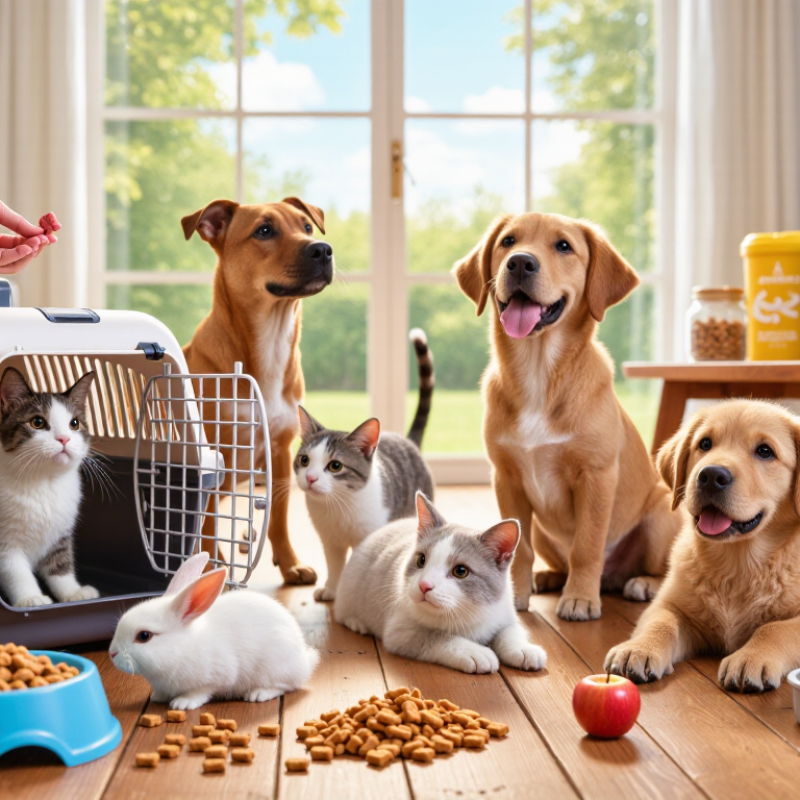
Treats influence behavior through timing, value, and repetition. A reward delivered within two seconds of calm behavior helps pets connect action with outcome. The seven most useful choices include tiny soft training bites, regular kibble, freeze-dried lean meat, cooked vegetables, plain wet food, dental chews, and low-calorie crunchy treats. Soft pieces work well during frequent training. Kibble may suit pets gaining weight. Freeze-dried meat often motivates distracted animals. Vegetables can add texture, but not every pet accepts them.
Portion size matters more than excitement. The WSAVA Global Nutrition Guidelines recommend keeping treats below 10% of daily energy intake. A large biscuit can quietly replace a meal. Cut treats into rice-sized pieces for repeated practice. The 2023–2024 APPA National Pet Owners Survey estimated that 66% of U.S. households owned a pet, showing how many homes need practical feeding guidance. However, population data cannot predict one animal’s tolerance, allergies, or motivation.
Observe the result. Is the dog calmer, or merely louder and faster? Reward relaxed eye contact, loose posture, and a gentle response. For cats, offer a tiny treat after entering a carrier or touching a target. Dental chews require supervision and suitable sizing. I have found that the “best” treat often changes by context. Sometimes, the ordinary kibble works better. Owners should record portions for several days, then adjust with a veterinarian or qualified behavior professional. Perfect plans are rare.
Safe training treats should be small, appealing, and nutritionally controlled. Useful choices include tiny pieces of cooked lean meat, single-ingredient freeze-dried treats, soft low-calorie training bites, cooked egg, plain pumpkin, species-specific dental chews, and small portions of regular food. Avoid chocolate, grapes, onions, garlic, xylitol, and heavily seasoned leftovers. Treats should support learning, not create stomach problems.
The WSAVA Global Nutrition Guidelines recommend keeping treats below 10% of a pet’s daily calories. This matters because the Association for Pet Obesity Prevention reported that 59% of dogs and 61% of cats were overweight or obese in its 2022 survey. A pea-sized reward can work well. A large biscuit may quietly replace a meal. Check calories per piece, not only the ingredient list.
Timing changes behavior faster than variety. Reward within one second of a sit, calm pause, or loose leash. Use softer treats outdoors, where distractions are stronger. Harder chews may suit quiet enrichment, but they are poor choices for rapid repetition. I find this easy to overlook. Some pets also react badly to rich foods, even when ingredients look simple. Introduce one treat at a time, watch stool and appetite, and ask a veterinarian about allergies, weight limits, or dental risks. APPA’s 2023–2024 National Pet Owners Survey shows pet ownership remains widespread, but everyday feeding habits still deserve careful attention.
Positive behavior grows when a pet connects an action with a timely reward. In my training experience, the best treat is not always the most expensive one. Small soft training bites work well for repeated cues. Dry kibble suits pets already motivated by meals. Freeze-dried meat offers a strong scent during distractions, but portions should remain tiny. Some cats prefer lickable treats. Dogs may enjoy crunchy biscuits, cooked carrot pieces, or low-calorie dental chews.
These create seven useful options: soft bites, kibble, freeze-dried meat, lickable treats, biscuits, vegetables, and dental chews.
Use each treat with a clear behavior. Reward calm eye contact, gentle handling, or returning when called. Deliver the reward within two seconds. Timing matters. For a nervous pet, place a treat near the carrier and allow a voluntary approach. Never force contact. A puzzle toy filled with measured kibble can also encourage quiet, independent activity. However, some pets become frustrated by difficult puzzles, so watch their body language.
Treats should usually provide no more than 10% of daily calories, according to common veterinary nutrition guidance. Reduce meal portions when rewards increase. Check ingredients for allergies, stomach sensitivities, and age-related needs. Supervise dental chews, especially with enthusiastic chewers. I have sometimes rewarded excitement by accident, simply because my timing was late. That mistake is worth noticing. A smaller treat, calmer delivery, and consistent practice often produce better behavior than a larger reward.
The best training treat is small, safe, and exciting to your pet. Soft training bites work well because pets can chew them quickly. Small pieces of cooked chicken can motivate many dogs without slowing practice. Freeze-dried meat offers strong aroma and a crumbly texture. Some cats prefer tiny flakes of plain fish or poultry. Carrot cubes and green beans suit certain dogs that enjoy crunchy snacks. Dental chews may reward calm handling, but they are better for longer activities. For food-sensitive pets, simple single-ingredient treats can make reactions easier to monitor.
Timing matters more than treat size. Give the reward within one or two seconds of the desired action. Mark the moment with a calm word, then offer the treat. When your dog sits before the door opens, reward that pause. When your cat touches a target, reward the touch immediately. Keep treats near the training area. Do not wave them constantly, or your pet may follow the food instead of learning the behavior.
Use part of the daily meal when possible. Treats should generally remain below ten percent of daily calories, unless a veterinarian advises otherwise. Watch body condition, stool changes, and enthusiasm. A treat that works today may fail tomorrow. That is normal. Stress, pain, hunger, and distractions can change behavior. I have found that trainers sometimes increase rewards too quickly, then blame the pet. Lowering the difficulty can restore progress. If vomiting, itching, or sudden behavior changes appear, stop the new treat and seek veterinary guidance.
7 Best Pet Treats to Improve Behavior?
Treats work best when they are small, safe, and easy to measure. Suitable choices include regular kibble, tiny cooked lean-meat pieces, single-protein freeze-dried treats, plain cooked vegetables, low-fat training biscuits, veterinary dental treats, and limited-ingredient treats. Avoid foods containing onions, garlic, chocolate, grapes, or excessive salt. A veterinarian should guide choices for pets with medical conditions.
Portions matter more than treat size suggests. Treats should usually remain within 10% of a pet’s daily calories, while meals are adjusted accordingly. A pea-sized reward can be enough for a calm sit. Count every piece, even the tiny ones. This is where careful owners sometimes miscalculate. A handful can quietly become a second meal. Using a sealed container for the day’s allowance makes portions visible and prevents repeated guessing.
Allergies require more than choosing a “natural” label. Watch for itching, ear problems, vomiting, diarrhea, or repeated paw licking, and consult a veterinarian before changing diets. During a structured elimination trial, extra treats can hide the trigger. Treat dependence also develops when food appears for every behavior. Pair rewards with praise, play, or access to a favorite toy, then gradually reduce food frequency. Not every response needs a snack. Some pets learn slowly, and that is normal; rushing the process can create frustration for both of you.
Approximate energy density of plain, single-ingredient options
How to use this chart: Lower-calorie foods such as green beans, pumpkin, carrots, and apples can make frequent training rewards easier to portion. Higher-calorie foods such as chicken, egg, and salmon should be cut into very small pieces.
Keep treats at no more than about 10% of a pet’s daily calories, reduce the regular meal slightly when needed, and introduce only one new ingredient at a time to help identify allergies or digestive reactions. Use plain, unseasoned foods only; never offer ingredients containing onion, garlic, grapes, raisins, chocolate, or xylitol.
To reduce treat dependence, gradually replace some food rewards with praise, play, toys, or access to a favorite activity. Values shown are approximate calories per 100 g for generic foods based on USDA food-composition data; individual products and preparation methods vary.
Treats connect a behavior with a pleasant result. Give them within one or two seconds. Timing matters more than excitement.
Treats should usually provide less than 10% of daily calories. A large biscuit can replace part of a meal. Measure portions carefully.
Tiny soft bites work well because pets can eat them quickly. Rice-sized pieces are often enough. Small portions prevent overfeeding.
Yes. Measured kibble can reward pets already motivated by food. It may suit pets needing weight control. Ordinary food sometimes works best.
Small pieces of lean, single-ingredient dried meat may provide a stronger scent. Use very small portions outdoors. Stronger motivation is not always better.
Plain cooked vegetables, pumpkin, egg, or lean meat may suit some pets. Introduce one option at a time. Watch stool and appetite.
Avoid chocolate, grapes, onions, garlic, xylitol, and heavily seasoned leftovers. Rich foods can upset sensitive stomachs. Simple is safer.
Reward relaxed eye contact, loose posture, gentle handling, or a quiet pause. Do not reward barking or frantic movement by accident. I have made that mistake.
No. Choose an appropriate size and supervise chewing. Hard chews may not suit every mouth. Ask a veterinarian about dental risks.
Record portions for several days. Observe energy, weight, stool, and behavior. A calmer pet suggests progress, but perfect plans are uncommon.
Can treats improve pet behavior? Yes, when they are used thoughtfully as rewards rather than bribes. Treats can help pets connect desired actions—such as sitting, coming when called, staying calm, or walking politely—with positive outcomes. The most effective choices are small, tasty, easy to chew, and appropriate for the animal’s age, size, health, and dietary needs. Options may include soft training bites, crunchy pieces, freeze-dried ingredients, dental-style treats, or small portions of safe human foods recommended for pets.
Successful training depends on timing and consistency: offer the treat immediately after the desired behavior, pair it with praise, and gradually reduce treats as the habit becomes reliable. Owners should control portions, account for treats within daily calories, and watch for allergies or digestive problems. Treats should support learning without creating dependence, so praise, play, attention, and freedom can also become rewards. With patience and balanced use, treats can encourage positive behavior while supporting a pet’s overall well-being.

Curipaw Pet