When considering whether treats are bad for dogs or cats, it’s crucial to reflect on their nutritional needs. Many pet owners enjoy rewarding their furry companions with snacks. However, it’s essential to understand the implications of this habit. Are treats bad for dogs or cats? The answer isn't straightforward.
Nutrition plays a vital role in a pet's overall health. Not all treats are created equal, and some can lead to obesity or other health issues. For instance, high-calorie treats could significantly impact your pet’s weight. Moreover, many commercial treats contain additives that may not benefit our pets.
Every pet is unique, and what might suit one could harm another. Understanding your pet’s individual needs is key. Be mindful when choosing treats. Regularly assess their diet and consult your vet. It's a journey of learning.
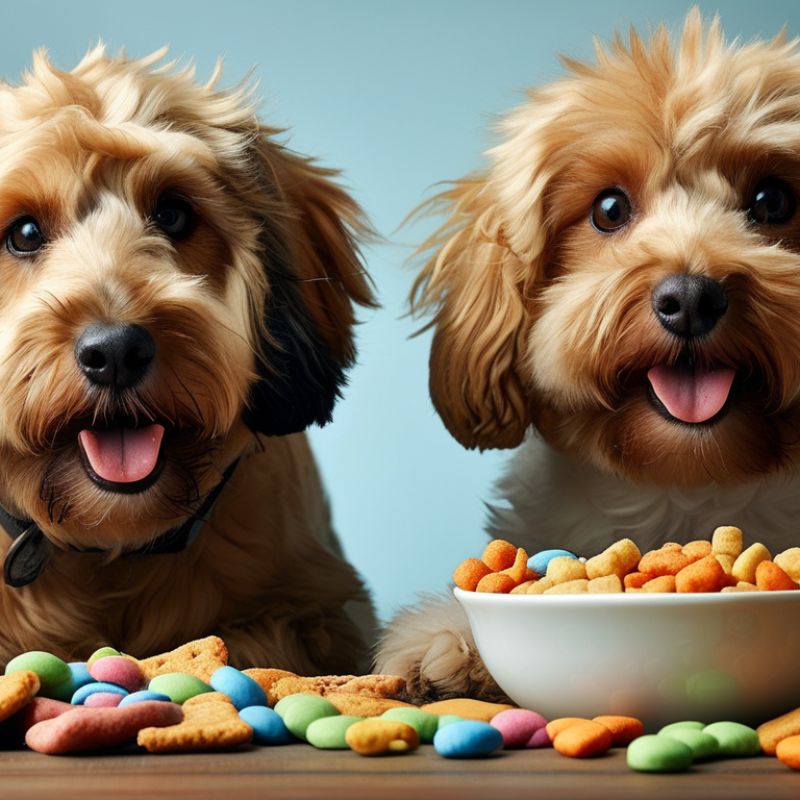
When considering pet treats, it's crucial to understand their impact on health. According to the Association for Pet Obesity Prevention, over 50% of dogs and cats in the United States are overweight or obese. Treats often contribute to this issue, especially if used excessively. Many pet owners may not realize that even small amounts can add significant calories to a pet's diet.
A study published in the Journal of Animal Science highlights that treats should not exceed 10% of a pet's daily caloric intake. Many commercial treats contain high levels of fat and sugar. This can lead to not only weight gain but also long-term health problems like diabetes. Pet owners should read labels carefully and consider healthier alternatives like fruits or vegetables.
Moreover, it's essential to reflect on our pets' behavior. Treats often serve as rewards for good behavior, but they may lead to dependency. Pets may beg or engage in unwanted behaviors, expecting treats in return. Understanding this behavior may help owners adjust their training methods. Limiting treats encourages pets to find satisfaction in their regular meals and activities.
When selecting treats for your pets, it’s crucial to consider their nutritional value. Not all treats are created equal. Many are high in sugars and fats, which can lead to obesity and other health issues. Check the ingredients carefully. Look for whole foods like meat, vegetables, and whole grains as the primary components.
Portion control is also key when giving treats. Offering too many can disrupt your pet's balanced diet. Even healthy treats can lead to weight gain if given excessively. Additionally, some pets may have allergies. Always watch for adverse reactions when introducing new treats. A veterinarian can help guide you in choosing safe options for your specific pet.
Keep in mind that treats should enhance, not replace, regular meals. They can be a motivational tool for training or simply a way to show love. However, they shouldn’t become a crutch for problem behaviors. Reflect on how treats fit into your pet's overall diet and what benefits they truly provide.
When it comes to giving treats to pets, moderation is key. A study from the Association for Pet Obesity Prevention states that more than 50% of dogs and cats in the U.S. are overweight. This statistic highlights the need for pet owners to be cautious about treat sizes and frequency. Treats should not exceed 10% of a pet's daily calorie intake. If your dog requires 500 calories daily, treats should only be around 50 calories.
Choosing the right type of treat is crucial. High-protein treats can be beneficial. However, some treats are high in sugars and fillers, which can lead to health issues. The American Veterinary Medical Association suggests reading ingredient labels carefully. Look for natural ingredients and avoid artificial additives. Consider homemade treats as an alternative. They can ensure quality and safeguard your pet's health.
Timing and situation matter too. Avoid giving treats during training sessions as a reward for bad behavior. Instead, use positive reinforcement consistently. Training with treats should promote good habits. Additionally, always observe your pet’s reactions after trying a new treat. A good treat experience strengthens your bond. Regularly assess their weight and health. This reflection can guide proper treat habits for your furry friends.
When it comes to pet treats, many people hold misconceptions about their impact on animals. One common myth is that all treats are harmful to pets. In reality, the ingredients and portion size play a crucial role in determining whether a treat is beneficial or detrimental. Treats can offer training benefits and strengthen the bond between pets and their owners.
Another frequent belief is that treats will spoil a pet's appetite. While this can happen with excessive feeding, a properly balanced diet allows for occasional treats. It’s essential to choose healthy options and consider treats as part of the overall dietary plan. Some treats can even provide health benefits, such as dental chews that help maintain oral hygiene.
Pet owners should reflect on what they offer their animals. Consistently rewarding pets with unhealthy snacks can lead to obesity and related health issues. Understanding the nutritional content is vital. Thoughtful choices can enhance the pet's quality of life while avoiding the pitfalls of overindulgence. Always remember that treats should complement, not replace, a balanced diet.
Balancing treats with a healthy diet for your pet can be a challenge. Treats can be a delightful way to reward your dog or cat. However, too many can lead to health problems. It’s vital to choose treats wisely. Opt for natural and low-calorie options whenever possible. Look for treats with wholesome ingredients. This choice seems obvious, but many owners overlook it.
Monitor your pet’s overall diet. Treats should comprise only a small percentage of their daily intake. A good rule is to keep treats under 10% of their total calories. Use treats strategically, like during training or to reinforce good behavior. This method builds a positive connection between your pet and the treat. Also, keep an eye on your pet's weight. If they are gaining, reconsider the number of treats you provide.
Consider the size and type of treats. Smaller treats can help control calorie intake while still providing enjoyment. Homemade treats can also be a fun and healthy option, giving you full control over ingredients. However, be careful with portion sizes; even healthy treats can contribute to weight gain. Reflecting on these factors can make a significant difference in your pet’s overall health.
: Moderation is key. Treats should not exceed 10% of your pet's daily calorie intake.
Look for natural ingredients. Avoid those high in sugars and fillers to ensure your pet's health.
Yes, but only with excessive feeding. Balanced diets can allow for occasional healthy treats.
Treats should reinforce good behavior. Avoid using them as rewards for undesirable actions.
Yes, homemade treats allow control over ingredients. Just remember to watch the portion sizes.
Reassess the number of treats given. Monitor their overall diet to maintain a healthy balance.
Certain treats like dental chews can promote oral hygiene and enhance your pet's health.
Use treats to reward good behavior. A positive treat experience helps build your connection.
Ingredient awareness ensures you're not giving unhealthy options that may harm your pet's health.
Observe your pet’s reactions. Positive experiences can enhance your pet’s enjoyment of treats.
The article titled "Are Treats Bad for Dogs or Cats? 5 Important Tips to Know" explores the impact of pet treats on the health of our beloved animals. It highlights key nutritional considerations that pet owners should be aware of when selecting treats, emphasizing that not all treats are inherently harmful but depend on ingredients and portion sizes. The article provides five essential tips for safely giving treats to dogs and cats, ensuring that they can enjoy them without compromising their health.
Additionally, it addresses common myths surrounding pet treats and their effects on behavior, helping owners understand the psychological and physical impacts of rewarding pets with treats. Ultimately, the piece guides pet owners on how to strike a balance between providing treats and maintaining a healthy diet, answering the central question: "are treats bad for dogs or cats?" by promoting informed choices and moderation.

Curipaw Pet