7 Best Treats for Training Dogs What Works Best?

Time:2026-10-11 Author:Aria
0%

Choosing the right reward can change a distracted dog into an eager training partner. This guide explores what treats are best for training dogs, based on practical training experience and established behavioral principles. The best choice depends on your dog’s preferences, health, training environment, and the difficulty of each behavior.

Karen Pryor, a respected clicker-training expert, explains, “A reinforcer is anything that strengthens the behavior it follows.” That principle matters more than brand names or attractive packaging. A tiny piece of cooked chicken may work beautifully in a quiet kitchen, while a soft commercial treat may be easier to carry during a busy park session. Some dogs prefer crunchy biscuits. Others ignore them completely.

Watch the response.

A useful training treat should be small, soft, safe, and quick to eat. It should not leave your dog chewing for thirty seconds after every successful cue. High-value options can include plain cooked turkey, freeze-dried meat, or small training treats with simple ingredients. Lower-calorie rewards may suit long sessions, especially for dogs that gain weight easily. Always consider allergies, medical conditions, and your veterinarian’s advice.

There is no perfect treat for every dog. I have seen dogs reject expensive treats but work eagerly for ordinary kibble. That surprised me. It also proves why observation matters. The following seven choices compare taste, convenience, nutrition, and training value, helping you identify rewards your dog genuinely wants to earn.
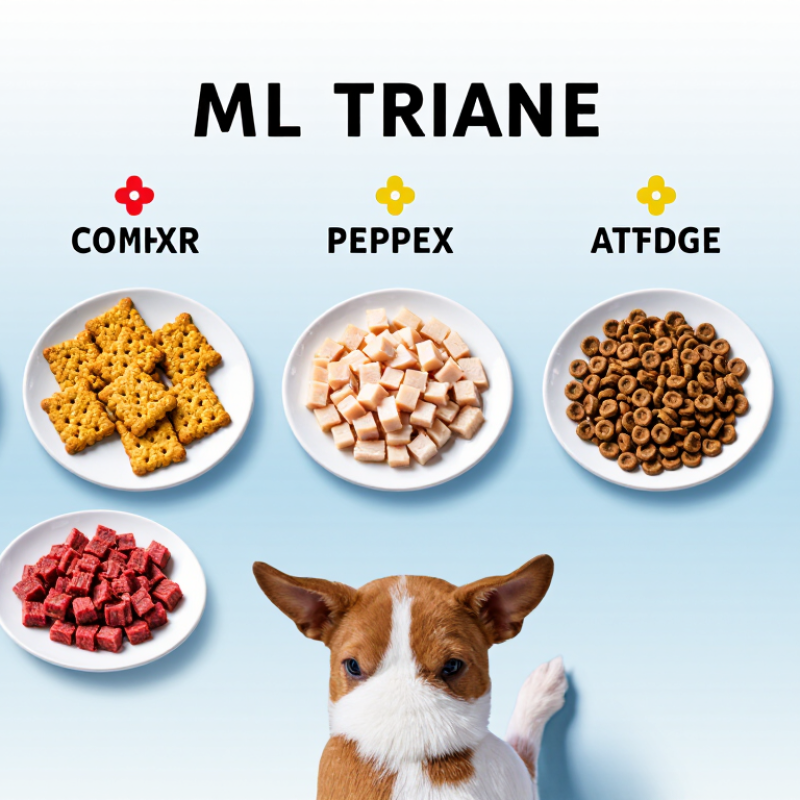
7 Best Treats for Training Dogs What Works Best?

Why Food Rewards Work: AVSAB’s Position on Reward-Based Dog Training

Choosing the best training treat is less about flavor and more about learning science. AVSAB’s 2021 position statement recommends reward-based training for teaching dogs safely and effectively. Food rewards give dogs clear feedback after a correct behavior. A pea-sized, soft treat can work well because dogs eat it quickly and return to training.

Timing matters. Deliver the reward within one or two seconds after the desired action. This helps the dog connect sitting, looking, or walking calmly with success.

Use several options, such as small pieces of cooked meat, vegetables, or complete dog-safe training treats. However, not every dog values food equally in every setting. Excitement, stress, and the smell of other animals can change motivation.

The evidence is meaningful. A 2020 PLOS ONE study examined 92 dogs and found that dogs trained with aversive methods showed more stress-related behavior and more pessimistic responses than reward-trained dogs. AVSAB also reports that punishment can increase fear and damage the human-animal relationship. That does not mean rewards solve everything. I have seen owners offer food too slowly, then blame the dog for confusion. The handler must improve, too.

Keep portions tiny and adjust meals when needed. A reward should support learning, not create stomach trouble. “Good timing wins.” Recheck progress in quiet places, then gradually add distractions. Some methods feel traditional, but tradition is not proof. Reliable training should remain kind, observable, and open to revision.

How to Apply WSAVA’s 10% Treat-Calorie Guideline

7 Best Treats for Training Dogs: What Works Best?

How to Apply WSAVA’s 10% Treat-Calorie Guideline

Training treats should support learning without quietly increasing daily calories. The WSAVA Global Nutrition Guidelines recommend keeping treats below 10% of a dog’s daily energy intake. The remaining 90% should come from a complete, balanced diet. For a dog needing 700 calories daily, treats should provide no more than 70 calories. Energy needs vary with age, activity, body condition, and health. Ask a veterinarian before changing portions.

Small pieces work well. A soft, pea-sized treat may reward several correct behaviors during one walk. Break larger treats into fragments. Use part of the dog’s regular meal when appropriate. Check the package’s calorie information, then count every reward, including dental chews and table scraps. It is easy to underestimate them. The Association for Pet Obesity Prevention reported that about 59% of surveyed dogs were overweight or obese in 2022. That figure makes portion control more than a cosmetic concern.

Choose treats with clear ingredients and suitable texture. Low-calorie options can include small pieces of cooked lean meat, crunchy vegetables, or measured commercial training treats. Avoid foods that are toxic to dogs, such as chocolate, grapes, onions, and products containing xylitol. In practice, enthusiasm matters more than price. Some dogs prefer a tiny crunchy piece; others work better for a soft reward. Reassess body condition monthly. I sometimes reward too generously during exciting sessions, so pre-measuring the day’s treats remains a useful safeguard.

7 Best Treats for Training Dogs: What Works Best?

Approximate calories per 10 g serving. Lower-calorie foods allow more rewards while helping keep treats within WSAVA’s recommended limit of 10% of daily calories.

Plain, unsalted foods are generally preferable for training. Remove seeds, pits, bones, excess fat, and seasonings, and introduce new foods gradually. Individual calorie needs vary, so use your veterinarian’s advice for weight management.

Seven Treat Types Compared by Palatability, Calories, and Convenience

Choosing training treats means balancing palatability, calories, and convenience. In my experience, soft training bites usually win attention because dogs can chew them quickly. However, their calorie counts vary widely, so checking the feeding guide matters. Freeze-dried meat is highly appealing and lightweight, but it can be expensive and crumbly.

Cooked chicken offers excellent flavor and simple ingredients. It needs refrigeration, though, and greasy pieces may upset some stomachs. Regular kibble is convenient, familiar, and often low in calories. Still, some dogs ignore it outdoors. Small cheese cubes are useful for difficult distractions, but their fat and sodium levels require careful portions. Vegetable pieces, such as carrot or cucumber, provide fewer calories and a crisp texture. Many dogs enjoy them. Others do not. Crunchy biscuits are easy to store, yet they may take too long to eat during rapid training.

Tips: Measure the day’s treats before training, then reduce the main meal slightly if needed. Break larger pieces into pea-sized rewards. Test one treat type for several days and watch stool quality, itching, energy, and motivation. A veterinarian can help when allergies, obesity, or digestive disease are involved. I sometimes overestimate how much a dog values a “healthy” snack. The dog’s opinion is useful data. Fresh water should remain available, especially after salty treats. Keep rewards in a sealed container and avoid sharing unsafe human foods.

7 Best Treats for Training Dogs: What Works Best?
Seven treat types compared by palatability, calories, convenience, and training suitability
Rank Treat Type Palatability Typical Calories per Small Portion Convenience Mess Level Training Advantages Main Limitations Best Use
1 Small Soft Training Treats ★★★★★ Usually highly appealing 3–8 kcal Very easy to portion and carry Low; generally non-greasy Can be swallowed quickly, allowing many repetitions without long pauses. Some products are calorie-dense or contain excess salt, so portion size matters. Everyday obedience and reward-based training
2 Small Pieces of Cooked Lean Meat ★★★★★ Very high for most dogs 5–12 kcal Moderate; requires preparation and refrigeration Medium; can be greasy or leave odor on hands Strong reward value makes it useful around distractions and for difficult behaviors. Perishable, less convenient for long outings, and easy to overfeed. High-distraction environments and challenging new skills
3 Freeze-Dried Meat Pieces ★★★★★ Typically very appealing 5–15 kcal High; lightweight and shelf-stable after opening when stored properly Low to medium; may crumble Strong aroma and compact size provide a high-value reward with little bulk. Often more expensive than ordinary food; calories can vary widely by meat type. Recall practice, outdoor training, and major behavior goals
4 Regular Kibble ★★★☆☆ Moderate; varies by dog 2–5 kcal Excellent; already measured and easy to carry Very low Low cost and low mess make it practical for frequent practice and daily routines. May not compete effectively with distractions or higher-value rewards. House manners, basic cues, and high-frequency practice
5 Small Cheese Cubes ★★★★☆ Often highly appealing 10–20 kcal Moderate; easy to cut but needs cool storage Medium to high; can be oily Rich flavor can help motivate dogs during difficult exercises. Relatively high in fat and calories; some dogs may not tolerate dairy well. Occasional high-value rewards in very small portions
6 Dog-Safe Fruits and Vegetables ★★★☆☆ Variable; preference-dependent 1–5 kcal High; simple to prepare, though some items need refrigeration Low; can be moist Usually low in calories and useful when a dog enjoys lighter, crunchy rewards. Many dogs find them less exciting; pieces must be appropriately sized. Weight-control plans and low-distraction home training
7 Xylitol-Free Peanut Butter ★★★★★ Extremely appealing to many dogs 15–25 kcal Moderate; best used in a squeeze tube or refillable toy High; sticky and slow to clean Very high reward value and useful for sustained licking or enrichment. High in calories and fat; never use products containing xylitol or added sweeteners. Crate training, grooming, medication support, and enrichment

Calorie figures are practical estimates for small training portions and vary by recipe, preparation, and piece size. Treats should generally provide no more than about 10% of a dog’s daily calories; reduce meal portions when necessary. Avoid toxic foods such as grapes, raisins, onions, garlic, chocolate, and xylitol-containing products.

How Reward Value Should Increase with Training Difficulty

Training works better when the reward matches the difficulty of the task. A quiet “sit” at home may need a small, ordinary treat. Walking past a barking dog requires something more valuable. Dogs notice this difference quickly. Reward value can include taste, smell, softness, and size. Soft cooked meat, small cheese pieces, and freeze-dried protein often attract strong attention. Tiny soft biscuits may suit familiar exercises. Crunchy vegetables can work for dogs that enjoy lighter flavors.

Use seven treat types across different training situations: soft meat pieces freeze-dried protein cooked egg small cheese cubes soft training biscuits crunchy vegetables the dog’s regular food Start with the lowest effective value. Save the exciting options for difficult moments. A treat should be pea-sized or smaller for many dogs. Adjust portions for body size, health, and daily calories. A veterinarian can guide choices for dogs with allergies or medical conditions.

I have sometimes used rewards that were too exciting. The dog focused on the food instead of the lesson. That mistake taught me to lower the reward after success becomes reliable. Reward timing matters too. Give the treat immediately after the desired action. If the dog struggles, reduce the distance, noise, or duration before raising the reward. Not every dog values food equally. Praise, play, sniffing time, or a brief toy game may work better. Keep notes for a week. Patterns become clearer.

How AAHA Weight-Management Principles Keep Treat Training Safe

The best training treats are tiny, soft, and easy to swallow. Useful choices include regular kibble, cooked chicken, turkey, carrot pieces, green beans, seedless apple, and small cheese crumbs. Each option can reward attention without interrupting learning. However, “healthy” does not mean calorie-free. Cheese and meat can add calories quickly.

AAHA weight-management principles encourage counting treats within the dog’s daily calorie allowance. Keep extras near 10 percent or less of daily calories, unless your veterinarian recommends differently. Reduce meal portions when training is frequent. A kitchen scale helps, especially for small dogs. Check body condition regularly: you should feel the ribs under a thin layer of fat. If the waist disappears, the plan needs adjustment. I sometimes misjudge portion sizes by eye, so measuring remains the safer habit. Training should support health, not quietly replace it.

Tips: Cut treats smaller than you think. Reward within one second of the desired behavior. Use kibble for easy repetitions, then reserve tastier options for distractions. Break one treat into several pieces. Offer water during longer sessions. Watch for loose stools, itching, or vomiting, and stop a new treat if symptoms appear. Ask a veterinary professional about medical diets, allergies, or weight-loss plans before changing food. Pain, anxiety, or hunger can also affect learning, so treats cannot solve every training problem.

FAQS

Why do food rewards help dogs learn?

Food gives immediate, clear feedback after a correct behavior. A pea-sized soft treat is quick to eat. Then training continues.

How quickly should I give a reward?

Give it within one or two seconds of the desired action. Fast timing connects sitting, eye contact, or calm walking with success. Timing matters most.

Which treats work well during training?

Soft bites, regular kibble, cooked chicken, turkey, carrots, green beans, or seedless apple can work. Dogs have different preferences. The dog’s choice provides useful information.

Can healthy treats cause weight gain?

Yes. Meat and cheese can add calories quickly. Keep extras near ten percent of daily calories, unless a veterinarian advises otherwise. Measure portions.

How can I control treat portions?

Measure the day’s rewards before training. Break larger pieces into pea-sized bits. Reduce the main meal when necessary. I sometimes misjudge portions by eye.

What should I do when my dog ignores treats outdoors?

Stress, excitement, and animal smells can reduce food motivation. Try a quieter location first, then add distractions gradually. Use tastier rewards only when needed.

Are crunchy biscuits suitable for fast training?

They are easy to store, but dogs may chew them too slowly. Soft treats usually support quicker repetitions. Convenience is not everything.

How can I check whether a new treat suits my dog?

Test one treat for several days. Watch stool quality, itching, energy, and motivation. Stop if vomiting or loose stools appear. Ask a veterinary professional when concerns continue.

Conclusion

Reward-based training works because dogs are motivated to repeat behaviors that lead to positive outcomes. Food rewards can make learning clear, enjoyable, and effective when they are delivered immediately after the desired action. When considering what treats are best for training dogs, choose options that are highly appealing, easy to break into tiny pieces, simple to carry, and appropriate for your dog’s size and health. Soft training bites, small pieces of lean cooked food, dry food from the daily meal, crunchy vegetables, and limited low-calorie snacks can all be useful, depending on the dog’s preferences and dietary needs.

Treat value should match the difficulty of the exercise: everyday rewards may work for familiar behaviors, while more exciting treats can encourage focus in distracting situations. To support healthy weight management, treats should remain within about 10% of a dog’s daily calories, with regular food portions adjusted when necessary. Monitoring body condition, using praise or play alongside food, and selecting nutritious portions can keep training both rewarding and safe.

Aria

Aria

Aria is a dedicated marketing professional with a deep passion for innovative strategies and a keen understanding of our company's product offerings. With a wealth of experience in the industry, Aria excels at crafting engaging content that highlights the unique features and benefits of our......