When it comes to training dogs, choosing the right treats is crucial. According to Dr. Sarah Wooten, a veterinary expert, "The right treats can make or break a training session." This insight emphasizes the importance of selecting suitable rewards to enhance learning.
Many dog owners wonder what treats are best for training dogs. The choices can be overwhelming. High-value treats, like small pieces of chicken or cheese, can stimulate a dog’s motivation. Soft treats are often recommended, as they are easy to chew and encourage quick responses.
However, not all treats are equal. It's essential to consider your dog's dietary needs and preferences. Some dogs may be more picky than others. Experimenting with various treats is necessary to find what works best. Often, this process can be frustrating, requiring patience and creativity. But the right treat can foster a stronger bond and improve training outcomes.
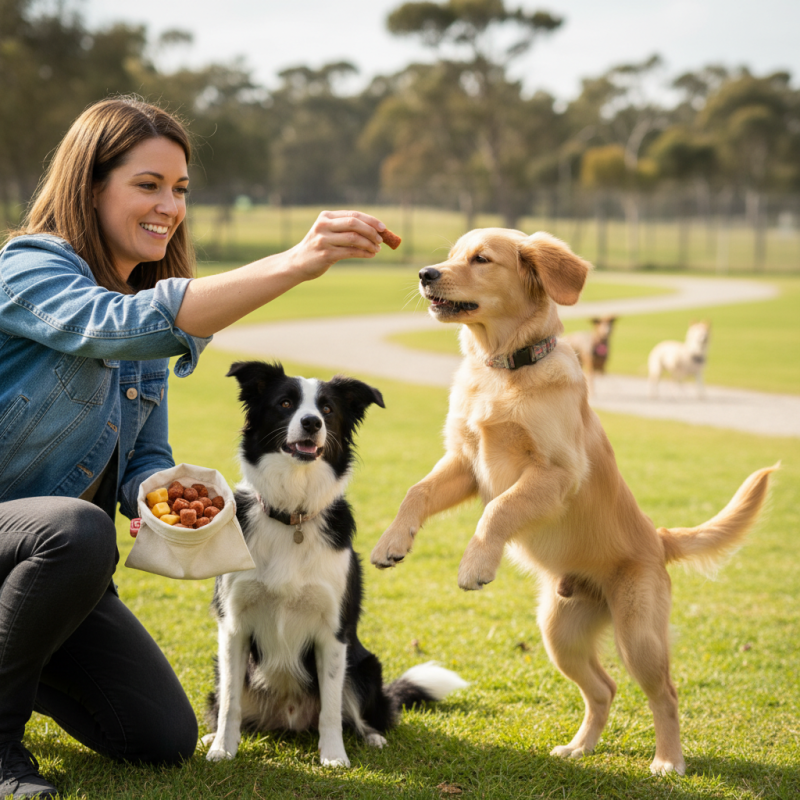
Training your dog requires more than patience and persistence; it needs the right treats. Treats play a crucial role in reinforcing positive behavior. They serve as incentives that motivate your dog to learn. Selecting the right treats is essential to your training success. Opt for ones that are small and easy to chew, enabling quick rewards during training sessions.
Consider the nutritional value of the treats. Dogs deserve healthy options that support their wellbeing. Many common treats can be high in calories and artificial ingredients. These can lead to health issues or distract from the purpose of training. Make the treats part of a balanced diet. Training sessions should be enjoyable and beneficial for your dog.
When training, consistency is key. Use treats regularly to build a connection between the command and the expected behavior. Mix up the flavors or types of treats occasionally; this keeps your dog engaged and eager to learn. Observe your dog’s reactions to different treats and adjust accordingly. What works for one dog might not work for another. Stay tuned to their preferences; this responsiveness will deepen your bond and improve training outcomes.
Choosing the right treats for training dogs is vital.
The treats can significantly affect your dog’s motivation and behavior.
Healthy options often include low-calorie, natural ingredients.
These treats are beneficial in promoting wellness.
According to recent studies, using healthy treats can improve training success rates by up to 30%.
Dogs respond better to treats that align with their nutritional needs.
Indulgent choices, while tempting, should be used sparingly.
High-calorie treats can lead to weight issues and health complications.
Industry data indicates that over 50% of pets in the U.S. are overweight.
This raises concerns about their longevity and quality of life. A balance is essential.
Use indulgent treats as rewards for accomplishing significant tasks.
Tip: Choose treats that contain protein as the first ingredient. This encourages a healthy diet.
Limit indulgent treats to avoid negative health impacts. Reflect on your dog's dietary needs.
Regularly assess treat portions according to their activity level.
Adapting training treats to your dog’s response can improve both health and training outcomes.
When choosing treats for training your dog, it's essential to evaluate the ingredients carefully. A high-quality treat should contain real meat or fish as the primary ingredient. These protein sources provide the essential nutrients your dog needs.
Avoid treats that list by-products, fillers, or artificial additives. These ingredients can harm your dog's health in the long run.
Look for treats that include fruits and vegetables. Ingredients like sweet potatoes, blueberries, and carrots offer added vitamins and minerals. They can enhance your dog's overall well-being and provide natural flavors your pup enjoys. Keep an eye out for any allergens, especially if your dog has sensitivities. Knowing what to watch for can help prevent unnecessary health issues.
Consider the size and calorie content of the treats as well. The treats should be small enough for training but still flavorful enough to motivate your dog. Overindulgence can lead to weight problems. Pay attention to serving sizes to maintain your dog's health. In training, the quality of the treat often matters more than the quantity. Choose wisely; your dog's training success depends on it.
Choosing the right treat size is crucial for effective dog training. Smaller treats are often more effective than larger ones. According to a study by the American Kennel Club, dogs are highly motivated by rewards that are quick to consume. With smaller pieces, trainers can reward behaviors promptly, enhancing learning. A treat should be no larger than a pea for the best results. This allows for rapid reinforcement.
Additionally, the psychology behind treat size matters. When dogs receive smaller treats, they tend to focus more on training sessions. Research indicates that dogs learn better when they're not distracted by large rewards. It's important to keep this in mind, as oversize treats can detract from training focus. Balancing the treat size with the dog's dietary needs is also essential to avoid excessive calorie intake.
Some trainers struggle with consistency in treat sizes. This inconsistency can lead to confusion for the dog. Testing different sizes in sessions helps find the right fit. Monitoring the dog's response is vital. Not all dogs will react the same way to treat sizes. Thus, there’s always room for adjustment and improvement in training practices.
When training dogs, treats play a crucial role. Many owners overlook the benefits of homemade options. According to a study by the Association of Pet Obesity Prevention, over 50% of pets are overweight. This figure suggests that the source and quality of treats matter greatly. Homemade treats can help you control ingredients, providing healthier alternatives.
Consider using simple ingredients like peanut butter or pumpkin. These items are not only dog-friendly but also nutritious. They can promote better digestion and overall health. Moreover, homemade treats often lack the preservatives found in commercial options, making them a safer choice. A survey indicated that 65% of dog owners prefer natural treats when available. This shift shows a growing awareness of pet health.
Tip: Always consult your vet before introducing new items to your pet’s diet, especially if your dog has allergies. Baking treats at home can be a fun activity. Be mindful that not all human food is safe for dogs. Research and select dog-friendly ingredients carefully. This approach can enhance your dog's training experience while ensuring their well-being.
| Treat Type | Ingredients | Benefits | Homemade Option |
|---|---|---|---|
| Peanut Butter Bites | Peanut butter, oats | High in protein, tasty | Mix ingredients, bake |
| Pumpkin Treats | Pumpkin puree, flour | Supports digestion | Combine and bake |
| Sweet Potato Chews | Sweet potatoes | Rich in vitamins | Slice and dehydrate |
| Carrot Sticks | Carrots | Low calorie, crunchy | Serve raw |
| Apple Slices | Apples | High in fiber | Cut and serve |
| Banana Chips | Bananas | Natural energy boost | Slice and bake |
| Chicken Jerky | Chicken breast | High protein | Slice and dehydrate |
| Cheese Treats | Cheese | Appealing flavor | Melt and pour |
| Rice Patties | Rice, chicken | Gluten-free option | Mix and fry |
: Treats reinforce positive behavior and motivate dogs to learn during training sessions.
Opt for small, easy-to-chew treats for quick rewards and effective reinforcement.
Treats should be no larger than a pea to enhance focus and learning during training.
Many commercial treats may contain high calories and artificial ingredients, which could harm your dog's health.
Yes, homemade treats allow you to control ingredients and offer healthier options for your dog.
Dog-friendly ingredients like peanut butter and pumpkin are nutritious and promote better digestion.
Regularly using treats helps build a strong connection between commands and expected behaviors.
Observe your dog's reactions and adjust treat types to suit their preferences and improve training outcomes.
Yes, large treats can distract dogs and hinder focus during training sessions, leading to confusion.
Absolutely, especially when introducing new treats, to avoid potential allergies or health issues.
When considering what treats are best for training dogs, it is crucial to understand the role treats play in positive reinforcement. Treats not only motivate dogs but also help in establishing a bond between the owner and the pet. There are various types of treats available, ranging from healthy options that promote good health to indulgent choices that can be used sparingly.
Evaluating the ingredients is essential; look for high-quality, natural components that support your dog's well-being. Additionally, choosing the right treat size is important for effective training sessions, ensuring that the treats are small enough for quick consumption yet enticing enough to capture the dog's attention. Homemade alternatives can also be beneficial, allowing for control over ingredients while fostering creativity in dog training. By considering these factors, you can select the most suitable treats that will enhance your dog training experience.
Curipaw Pet