As pet owners, we often wonder, "can pets have human snacks as treats?" This question raises concerns about safety, health, and nutrition. Many snacks in our diets can be harmful to pets. Foods like chocolate and grapes are common examples that can cause serious health issues.
Yet, not all human snacks are off-limits. Some fruits and veggies are safe and can be shared. For instance, carrots and blueberries can be healthy treats for dogs. Cats may enjoy small amounts of cooked chicken or fish. Understanding which snacks are safe is crucial for our furry friends' well-being.
It is essential to research these options carefully. Consulting with a veterinarian can provide expert guidance. Frequent mistakes occur when pet owners assume a food is safe simply because it's human-grade. Each pet is unique, and their dietary needs can differ significantly. It’s necessary to observe any reactions to new foods and make adjustments.
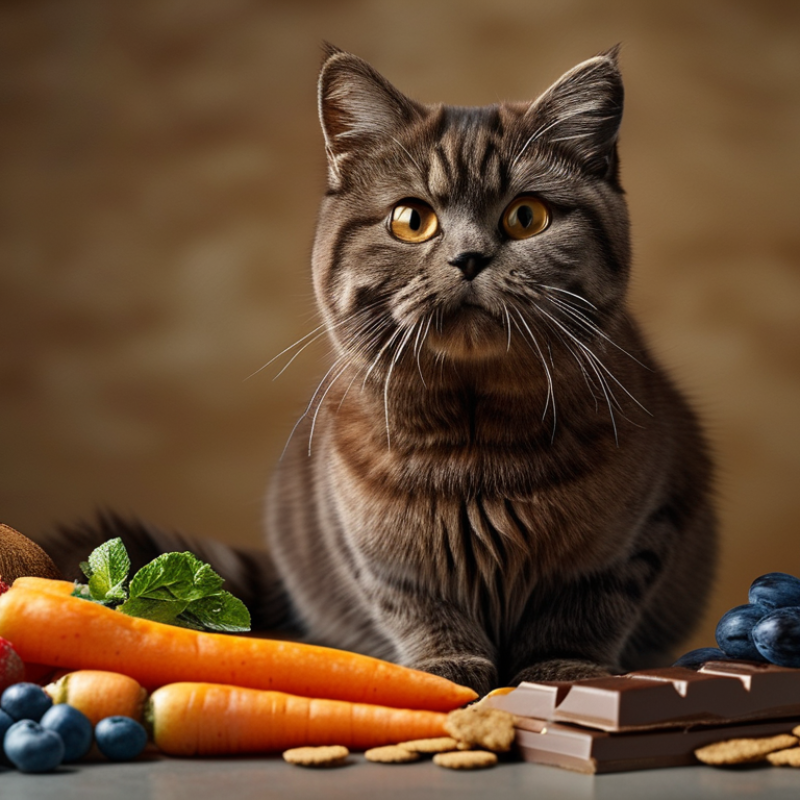
Pets and humans have vastly different digestive systems. While we thrive on a variety of foods, pets require specific nutrients.
Dogs and cats digest proteins, fats, and carbohydrates differently. Some human snacks can cause health issues for them. For example, chocolate and grapes are toxic to pets. It's essential to understand these differences before sharing your snacks.
Even common foods, like peanut butter, aren't always safe. Some pets may have allergies. Avocado, while healthy for us, can upset a pet’s stomach. Certain spices may lead to digestive distress. Always monitor your pet’s reactions to new treats. Observe their behavior and health closely.
When considering human food, it’s better to stick to pet-friendly options. Cooked lean meats or vegetables can be safe and enjoyable. Always consult with a veterinarian about dietary changes. Their expertise assures your pet remains healthy. Adjusting your pet's diet requires patience and careful observation. It’s a learning process for both you and your pet.
Pets can enjoy certain human snacks safely. It's crucial to know what's edible for them. Some options are tasty and nutritious.
Carrots are a great snack. Many dogs love the crunch. They are low in calories and high in vitamins. Another option is plain popcorn. It can be a fun treat. Just avoid butter and salt. Apples are also safe. They add fiber and vitamins. Make sure to remove the seeds.
Not all snacks are good for pets. Chocolate is dangerous. Grapes and raisins can harm their kidneys. Always check before sharing. If unsure, consult a vet. Pets thrive on proper diets. Treats should complement, not replace their meals. Focus on moderation.
Feeding pets human snacks can be tempting. However, many common human foods contain toxic ingredients for pets. Chocolate is a well-known danger, leading to severe health issues. Even small amounts can be harmful to dogs and cats. Grapes and raisins are also problematic. They can cause kidney failure, which is often fatal.
Other foods, like onions and garlic, may damage red blood cells in pets. Symptoms can be vague, making it hard to connect the dots. Some snacks might seem harmless but can trigger allergies or gastrointestinal upset. Fatty foods can lead to pancreatitis, a painful condition that requires veterinary intervention.
Not all human snacks are safe. Some fruits, like bananas, are generally safe in moderation. Still, it’s crucial to research before sharing any snack. Reflecting on our choices is vital. Are we prioritizing our pets' health, or satisfying our cravings in the moment? Always consider their well-being before sharing your meals.
| Human Snack | Potential Risks | Safe Alternatives |
|---|---|---|
| Chocolate | Contains theobromine, which is toxic to pets. | Carob treats |
| Onions | Can damage red blood cells in dogs. | Cooked carrots |
| Grapes | Can cause kidney failure in pets. | Apple slices (without seeds) |
| Xylitol (found in sugar-free products) | Can cause insulin release and liver failure. | Peanut butter (without xylitol) |
| Alcohol | Highly toxic, can lead to alcohol poisoning. | Non-alcoholic drinks (water or broth) |
| Caffeine | Can be fatal, affects heart and nervous system. | Herbal teas (caffeine-free) |
Treating pets with human snacks might seem tempting, but many can be harmful. Instead, consider healthier alternatives that cater to their nutritional needs. Vegetables like carrots and sweet potatoes are excellent choices. These treats are low in calories and high in fiber. They also promote good dental health. Pets enjoy crunching down on these bites, making them both satisfying and healthy.
Another great option is fruit. Apples, bananas, and blueberries can be tasty rewards for your furry friend. Just be sure to remove any seeds or pits. These fruits provide vitamins and antioxidants. They can also help with hydration. While fruits are a sweet treat, they should be given in moderation. Too much sugar can lead to weight issues.
**Tips:**
Always consult your veterinarian before introducing new treats. This ensures the snacks are safe for your pet's specific health needs.
Watch your pet's reaction to new snacks closely. If they show any signs of discomfort, discontinue use immediately.
Experiment with homemade treats using safe ingredients. This can be fun and allows you to control what your pet eats.
Introducing new foods into your pet's diet can be challenging. Many pet owners wonder if sharing human snacks is safe. While some human foods are suitable, others can pose health risks. It’s essential to research each food carefully before offering it to pets. Many fruits and vegetables are safe, but some can be toxic.
Start by introducing small amounts of new treats. Monitor your pet for any signs of discomfort or allergic reactions. Common symptoms include vomiting, diarrhea, or lethargy. If your pet shows any negative response, stop giving them the treat immediately. It’s best to consult a veterinarian for specific guidance tailored to your pet’s needs.
Remember that not all human food is created equal for pets. Foods high in sugar and fat can lead to obesity and other health issues. Always be cautious and prioritize your pet's well-being. A well-balanced pet diet primarily consists of quality pet food, supplemented by safe snacks. This thoughtful introduction helps ensure a happy and healthy pet.
: Carrots, plain popcorn, and apples can be safe snacks. Always remove seeds from apples.
Chocolate is toxic and can cause severe health issues in pets. Even small amounts can be harmful.
Grapes and raisins can lead to kidney failure in pets, which can be fatal.
Onions and garlic can damage red blood cells in pets, causing vague symptoms.
Fatty foods may lead to pancreatitis, a painful condition needing veterinary care.
Yes, vegetables like carrots and fruits such as apples and blueberries are great options.
Treats should be given in moderation to avoid health issues like obesity due to excess sugar.
Consult your veterinarian to ensure any new snacks are safe for your pet’s health.
Watch for signs of discomfort. Discontinue the snack immediately if any issues arise.
Yes, making homemade treats can ensure overall safety and control over ingredients used.
In exploring the question of "can pets have human snacks as treats," it's essential to understand the fundamental differences between the digestive systems of pets and humans. While some human snacks may be safe for pets, many popular treats contain ingredients that can pose serious health risks to animals. Recognizing which snacks are safe, such as plain fruits and vegetables, can help pet owners make better choices.
However, the potential hazards of certain human snacks should not be overlooked—many contain toxic ingredients like chocolate, grapes, and onions. To ensure the health of our furry friends, it's crucial to consider alternatives to human snacks, like specially formulated pet treats that provide nutritional benefits without the risks. Additionally, introducing new foods into a pet's diet should be done gradually and with caution to prevent digestive upsets.

Curipaw Pet