China Top Low Calorie Treats for Weight Control?

Time:2026-10-01 Author:Aria
0%

Choosing a satisfying treat can make weight-control goals feel more realistic, especially when cravings arrive between meals. In China, shoppers can find lighter options ranging from fruit-based snacks to seaweed crisps, yogurt products, konjac jellies, and reduced-sugar pastries. Yet “low calorie” does not automatically mean nutritious or filling. Portion size still matters.

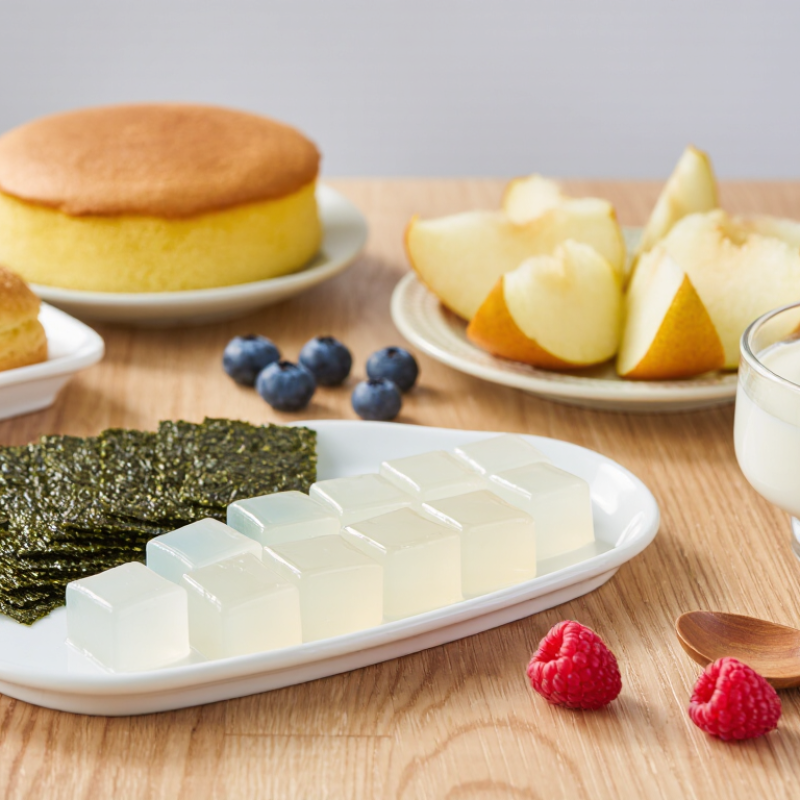
So, are low calorie treats good for weight control? They can be, when they replace higher-calorie choices rather than add extra eating occasions. A small pack of roasted seaweed may provide crunch, while unsweetened yogurt can offer protein and a creamy texture. Fresh mandarins, berries, or chilled pear slices bring sweetness with visible portions. These details make choices easier to manage.

Labels deserve careful attention. Calories may be listed per serving, not per package. Sugar alcohols, sodium, added oils, and serving sizes can change the overall picture. Some “healthy” snacks taste excellent but leave hunger untouched after twenty minutes. That is worth admitting. Personal response varies, and marketing language can oversimplify nutrition.

This guide examines popular low-calorie treats available in China, considering calories, ingredients, satiety, convenience, and taste. It also highlights practical situations, such as office drawers, supermarket aisles, and late-night cravings. Nutrition guidance should support individual needs, not replace professional advice. Used thoughtfully, a modest treat can fit a balanced eating pattern without turning weight control into punishment.
China Top Low Calorie Treats for Weight Control?

What Makes a Treat Low in Calories?

A low-calorie treat is not simply a tiny dessert. It usually provides fewer calories per serving while offering enough flavor to satisfy a craving. In China, practical choices may include chilled fruit, lightly sweetened yogurt, steamed pumpkin, or a small portion of red-bean jelly. The key is portion size.

Small portions matter.
A treat can remain low in calories when it contains less added sugar, oil, and refined starch. Ingredients with water and fiber, such as strawberries, oranges, or pumpkin, often create more volume for fewer calories. Airy textures can help too, but “light” textures do not guarantee a light recipe.

Check the nutrition panel when available. Compare calories per serving, then check how many servings the package contains. Watch for syrups, cream fillings, and generous toppings. These can quietly change the total. I still misjudge portions sometimes, especially with traditional pastries. That is worth admitting. Healthy eating is not perfectly measured every day.

Protein or fiber may make a treat more filling, but calorie needs differ between people. Someone exercising outdoors may need more energy than someone sitting at a desk. A registered dietitian can offer personal guidance, especially for diabetes, pregnancy, or other medical conditions. A low-calorie treat should feel enjoyable, not like punishment.

Popular Low-Calorie Treats in China

Popular Low-Calorie Treats in China

In China, many people choose fresh fruit as a light sweet snack. Mandarin oranges, watermelon, pears, and dragon fruit are common choices. Their water and fiber can support fullness, although fruit still contains natural sugar. A small bowl is easier to manage than eating directly from a large package. Small portions matter.

Plain yogurt is another practical option, especially when paired with berries or sliced kiwi. Check the nutrition label carefully, because some flavored cups contain surprisingly high added sugar. Unsweetened soy milk can also replace a sweet drink during an afternoon break. It provides protein, but recipes and serving sizes vary between shops. Keep it simple.

Steamed corn and roasted sweet potato are popular street and home snacks. Their warm texture feels satisfying without deep frying. However, both are carbohydrate-rich, so eating several pieces can exceed a planned snack. Konjac jelly may seem very light, yet sweetened versions can contain more sugar than expected. I have made that mistake myself. Traditional red bean soup can fit a weight-control plan when lightly sweetened, but dessert-shop portions are often much larger. Eating slowly helps, though it is not a perfect solution. This is where personal hunger, activity, and medical needs should guide choices.

Nutritional Benefits and Portion Considerations

China’s Top Low-Calorie Treats for Weight Control?

For many people, portion size matters more than choosing a “healthy” snack. A small steamed sweet potato, around 100 grams, provides roughly 85–100 calories, fiber, and beta-carotene. Its warm texture can feel satisfying after work.

Two small mandarins offer vitamin C, water, and natural sweetness for about 70 calories. Eat them whole, not as juice.

Plain tofu pudding can supply protein and calcium, but sweet syrup changes its nutritional value quickly. Try half a bowl with little or no syrup.

Unsweetened soy milk may provide about 70–100 calories per 200 milliliters, depending on preparation. It also adds protein, which can reduce hunger between meals.

Seaweed snacks are light, yet their sodium may be surprisingly high. Check the package.

Portions still need attention.

A small handful of roasted chestnuts is another practical choice, but chestnuts are not calorie-free. About 50 grams may provide 90–110 calories and useful carbohydrates.

I once treated fruit as unlimited because it felt harmless. That assumption did not help my weight goals. Even nutritious foods can exceed needs when eaten absent-mindedly.

Use a small plate, sit down, and avoid eating directly from a large container. Calorie estimates can vary with size, sugar, oil, and cooking methods, so labels and measured portions remain more reliable than visual guesses.

How to Choose Treats for Weight Control

Choosing treats for weight control starts with portion size, not a “healthy” label. Check calories per serving and the serving size on the package. A small packet may list 80 calories, but two servings can quietly double it. I prefer treats that provide volume, such as chilled orange segments, berries, plain yogurt, or air-popped corn. In China, fresh fruit, unsweetened soy pudding, and low-sugar herbal jelly may fit well. Read the sugar line and ingredient list carefully. Low fat can still mean high sugar.

Protein and fiber help a treat feel less fleeting. Pair a small fruit portion with plain yogurt, or choose a few nuts with tea. Keep it visible. Place the portion in a small bowl instead of eating from the bag. I still misjudge portions sometimes, especially while working. A planned treat, eaten slowly, is often easier to manage than repeated bites. Record hunger, stress, and timing for several days. The pattern may be uncomfortable. Afternoon cravings might reflect a lunch lacking protein or fiber, rather than weak willpower. Calorie needs differ with age, activity, and health conditions, so rigid limits are not reliable for everyone. Weight control depends on the full day, not one snack.

China's Top Low-Calorie Treats for Weight Control

Approximate calories per typical serving of commonly available, unbranded foods

Lower-calorie treats may support weight control when portions are kept moderate. Fresh fruit and plain yogurt provide useful nutrients, while popcorn and chestnuts can be filling choices when prepared without excess oil, sugar, or salt. Calorie values are approximate and can vary by size, recipe, and preparation method.

Reference basis: standard nutrient values from food-composition databases, including USDA FoodData Central and Chinese food-composition references. Values are rounded for practical comparison.

Ways to Include Treats in a Balanced Diet

Low-calorie treats can fit a balanced Chinese diet when portions remain visible and planned. China’s Dietary Guidelines (2022) advise keeping added sugar below 50 grams daily, preferably under 25 grams. The World Health Organization recommends free sugars below 10% of daily energy, with 5% offering additional benefits. On a 2,000-calorie diet, that lower target equals roughly 25 grams of sugar.

Choose simple options with measurable portions. Fresh fruit, plain yogurt, roasted seaweed, air-popped popcorn, and lightly sweetened bean desserts can provide texture without excessive energy. Read the nutrition panel carefully. A “small” packet may contain two or three servings. Put one serving in a bowl, not beside the entire bag. That small action matters.

Timing also helps. Pair a treat with lunch or an afternoon snack, rather than eating continuously at night. Add protein or fiber when possible, such as plain yogurt with berries or popcorn with a boiled egg. Low calorie does not mean highly nutritious. This is easy to forget. I may still underestimate calories in sweet drinks or dried fruit, especially when eating distractedly. Keeping a simple food record for several days can reveal those gaps. Professional dietary advice should consider age, activity, medical conditions, and personal food preferences, not just calorie numbers.

China Top Low Calorie Treats for Weight Control? – Ways to Include Treats in a Balanced Diet
Low-Calorie Treat Food Category Suggested Portion Approx. Calories Protein Dietary Fiber Why It Fits a Balanced Diet Practical Serving Tip
Strawberries Fresh fruit 150 g 48 kcal 1.0 g 3.0 g High water content and a naturally sweet flavor with vitamin C. Eat whole as an afternoon snack instead of juice or sweetened dessert.
Watermelon Fresh fruit 200 g 60 kcal 1.2 g 0.8 g Refreshing and filling for its calorie content because it contains substantial water. Pair with plain yogurt or a small handful of nuts for greater staying power.
Pomelo Citrus fruit 180 g edible portion 68 kcal 1.3 g 1.8 g Provides fiber and vitamin C while offering a naturally tart-sweet taste. Choose whole segments rather than packaged fruit with added sugar.
Plain low-fat yogurt Dairy 150 g 95 kcal 5.3 g 0 g Supplies protein and calcium; unsweetened varieties help limit added sugar. Add fresh fruit or cinnamon instead of honey or flavored syrup.
Air-popped popcorn Whole grain 3 cups popped, about 24 g 93 kcal 3.0 g 3.6 g A whole-grain snack that offers volume and fiber when prepared without excess oil. Season with herbs, paprika, or a small amount of salt instead of butter.
Edamame Legume 80 g cooked shelled beans 98 kcal 8.8 g 4.2 g Provides plant protein and fiber, which can support fullness between meals. Serve steamed with lemon or a light seasoning; monitor added salt.
Steamed sweet potato Starchy vegetable 100 g 86 kcal 1.6 g 3.0 g Offers complex carbohydrate, fiber, and beta-carotene with a naturally sweet taste. Use as a dessert-style snack without condensed milk or sugary toppings.
Fresh corn on the cob Whole grain vegetable 1 small cob, about 90 g kernels 86 kcal 3.1 g 2.2 g Provides carbohydrate and fiber in a naturally sweet, minimally processed form. Steam or boil; replace creamy sauces with herbs and a little chili.
Roasted chestnuts Nut-like fruit 40 g edible portion 78 kcal 1.6 g 2.8 g Lower in fat than most nuts while supplying carbohydrate and some fiber. Count the portion because several handfuls can add calories quickly.
Dark chocolate, 70–85% cocoa Occasional treat 10 g 60 kcal 0.8 g 1.1 g Allows a controlled sweet treat with a small portion and less sugar than milk chocolate. Eat slowly after a meal and keep the serving to one or two small squares.

Nutrition note: Calorie and nutrient values are approximate averages based on commonly used food-composition data. Actual values vary with variety, preparation method, edible portion, and added ingredients. For weight control, portion size and the overall daily balance of vegetables, fruit, whole grains, protein foods, and unsaturated fats matter more than choosing one “low-calorie” food.

FAQS

What makes a treat low in calories?

It usually contains fewer calories per serving. Less added sugar, oil, and refined starch can help. Portion size matters most. “Light” texture is not proof.

Which fruit-based treats can support weight control?

Chilled orange segments, berries, and other whole fruits offer water and fiber. Two small mandarins provide natural sweetness and vitamin C. Eat fruit whole, not as juice. Juice is easier to overconsume.

Is a small steamed sweet potato a suitable treat?

Yes, a small sweet potato near 100 grams may provide about 85–100 calories. It also offers fiber and beta-carotene. Its warm texture can feel satisfying after work. Size still changes the estimate.

Can tofu pudding or soy milk remain low in calories?

Plain tofu pudding may provide protein and calcium. Use little or no syrup, because sweetness can raise calories quickly. Unsweetened soy milk may contain about 70–100 calories per 200 milliliters. Preparation changes the numbers.

Are roasted chestnuts calorie-free?

No. About 50 grams may contain roughly 90–110 calories. They provide useful carbohydrates, but a large handful can exceed your plan. I once treated nutritious foods as unlimited. That was not helpful.

How should someone check a packaged treat?

Read calories per serving first. Then check the number of servings in the package. A packet showing 80 calories may contain two servings. Also inspect sugar, syrups, cream fillings, oil, and toppings.

Do protein and fiber make a treat more filling?

Often, yes. Pair a small fruit portion with plain yogurt. A few nuts with tea may also feel more lasting. The effect differs between people. Hunger can return anyway.

What portion habits can reduce accidental overeating?

Put the treat in a small bowl before eating. Sit down, eat slowly, and avoid the large container. Keep planned portions visible. I still misjudge sometimes, especially while working. That deserves attention.

Are low-calorie limits suitable for everyone?

No. Calorie needs vary with age, activity, and health conditions. Someone exercising outdoors may need more energy than someone at a desk. People with diabetes, pregnancy, or medical concerns should seek professional guidance. Rigid rules can mislead.

Conclusion

Low-calorie treats can be a practical part of weight control when they provide satisfying flavor with fewer calories, added sugars, and unhealthy fats. In China, popular choices may include fresh fruit, unsweetened yogurt, steamed sweet potatoes, lightly prepared nuts, and traditional snacks made with less sugar. However, a low-calorie label does not automatically make a treat nutritious, so it is important to consider protein, fiber, vitamins, sodium, and portion size. The key question is: are low calorie treats good for weight control? They can be, especially when selected carefully and eaten in moderation.

To make better choices, read nutrition labels, avoid oversized portions, and choose treats with simple ingredients and more fiber or protein. Treats should complement, not replace, balanced meals that include vegetables, whole grains, and healthy protein sources. Planning a small serving as part of a daily eating pattern can help satisfy cravings, support consistency, and reduce the risk of overeating later.

Aria

Aria

Aria is a dedicated marketing professional with a deep passion for innovative strategies and a keen understanding of our company's product offerings. With a wealth of experience in the industry, Aria excels at crafting engaging content that highlights the unique features and benefits of our......