When considering what are the healthiest pet treat options, pet owners often feel overwhelmed. With the plethora of products available, how do you choose wisely? Veterinarian Dr. Emily Weiss emphasizes, "Healthy treats are not just about being low-calorie; they should also have real benefits."
Many pet treats are loaded with additives and fillers. This can lead to health issues like obesity and allergies. You want your furry friends to thrive, not just survive. Choosing the right treats can enhance their overall well-being and happiness. Real ingredients matter.
In the world of pet nutrition, clarity is crucial. Not all treats are created equal. Research and expert recommendations can guide you. It's essential to understand what truly benefits your pet. This article will explore ten of the best options that focus on health and enjoyment for your beloved companions.
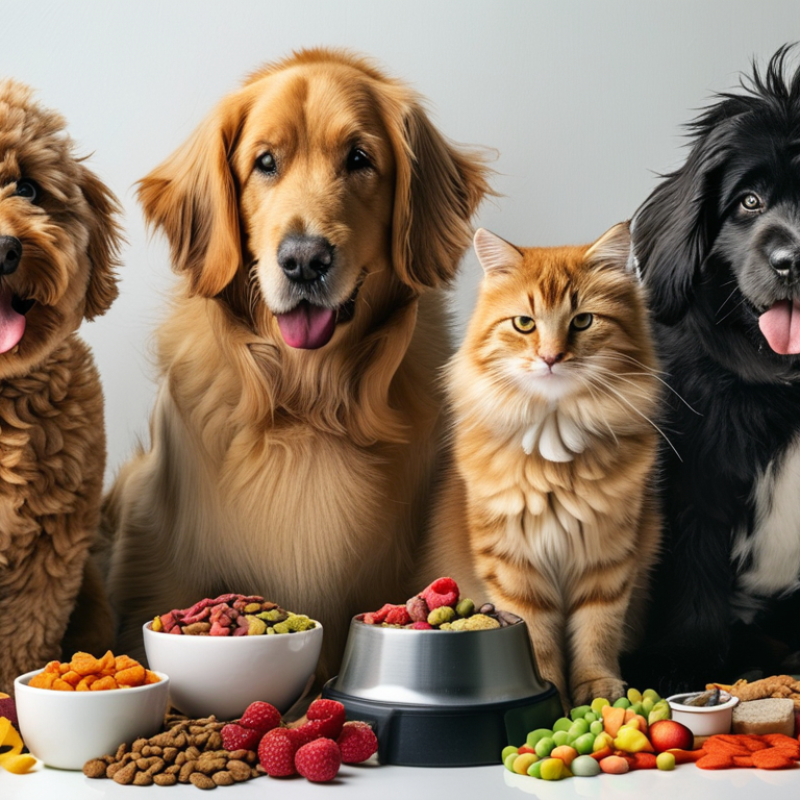
When considering the nutritional needs of pets, it’s essential to understand their unique dietary requirements. Dogs and cats need a balanced mix of proteins, fats, and carbohydrates. These nutrients help them maintain energy levels and overall health. Additionally, vitamins and minerals play a critical role in their growth and immune function. Many pet owners are unaware that some common foods can be harmful. For instance, chocolate and onions are toxic for pets.
Creating healthy treat options is an excellent way to ensure your furry friends receive proper nutrition. Incorporate lean meats, fruits, and vegetables into their treats. Look for low-calorie options to avoid weight gain. Treats made from pure ingredients without fillers are preferable. Fresh carrots or apple slices can be great, crunchy rewards.
When selecting or preparing treats, pay attention to portion sizes. Overindulging can lead to obesity. Regularly consult with a veterinarian to ensure your pet's diet is balanced. Not all pets will thrive on the same diet. Each animal has unique needs, based on age, activity level, and health conditions. Rethinking treats can be a path to better health for your companions.
| Treat Name | Primary Ingredients | Nutritional Benefits | Ideal For |
|---|---|---|---|
| Single-Ingredient Freeze-Dried Meat | Chicken, Beef, or Salmon | High protein, low fat | Cats and Dogs |
| Sweet Potato Chews | Sweet Potatoes | High in fiber, vitamins A and C | Dogs |
| Carrot Sticks | Carrots | Low calorie, high in fiber | Dogs |
| Peanut Butter Treats | Peanut butter, oats | Healthy fats, protein | Dogs |
| Limited Ingredient Biscuit | Brown rice, chicken | Easy to digest, hypoallergenic | Sensitive stomach pets |
| Fruit & Vegetable Mix | Blueberries, pumpkin | Antioxidants, vitamins | Cats and Dogs |
| Dental Chews | Natural fibers, calcium | Promotes dental health | Dogs |
| Yogurt Drops | Plain yogurt | Probiotics for gut health | Cats and Dogs |
| Rice Cakes | Brown rice | Low fat, crunchy | Dogs |
| Homemade Oatmeal Cookies | Oats, pumpkin, honey | Fiber and vitamins | Dogs |
When choosing healthy pet treats, it’s essential to look for key ingredients that promote overall well-being. Many pet owners overlook the importance of whole food sources. Treats made from real meat or fish are great choices, providing high protein levels. This aligns with findings from the Pet Food Institute, stating that a diet rich in protein is vital for canine and feline health.
Additionally, opt for treats that contain fruits and vegetables. Ingredients like sweet potatoes, carrots, and blueberries offer antioxidants and vitamins. According to a comprehensive study published in the Journal of Animal Science, these foods contribute to a stronger immune system in pets. While it may be tempting to select treats solely based on flavors or packaging, the ingredient list should always take priority.
Some treats contain fillers and artificial preservatives, which can be harmful in the long run. Low-quality ingredients can lead to obesity and other health issues. A 2022 report by the Association of American Feed Control Officials highlighted that 70% of pets in overweight categories suffered from avoidable health problems. Always prioritize transparency in ingredient sourcing and opt for those with minimal processing to ensure your furry friends are receiving the best. Recognizing the right ingredients fosters better pet health and encourages active lifestyles.
Choosing healthy treats for dogs is essential for their overall well-being. Many pet owners overlook the nutritional value of treats. According to the Association for Pet Obesity Prevention, over 50% of dogs in the U.S. are considered overweight. This highlights the importance of selecting appropriate snacks that contribute to a balanced diet.
When exploring treat options, focus on ingredients like lean protein and wholesome grains. Treats made from sweet potatoes or chicken are excellent for dogs. They offer vitamins and minerals. Moreover, consider the benefits of dental chews. Research shows they can reduce plaque, thus promoting oral health. A study published in the Journal of Veterinary Dentistry indicated that specific dental chews can lead to a 70% reduction in tartar buildup.
However, some treats may contain hidden sugars and preservatives. Always check the label. Ideally, treats should consist of natural ingredients. Monitor your dog's reactions to new treats. Some may have food sensitivities or allergies that could cause gastrointestinal issues. Being attentive to these signs is crucial in maintaining your dog’s health. Each dog is unique, and what works for one may not work for another.
When choosing treats for cats, nutritional value is crucial. According to a 2021 survey by the Pet Food Institute, 75% of pet owners prioritize healthy ingredients. Opting for natural ingredients can provide essential nutrients without artificial additives. High-protein treats, such as those made with real meat, can support muscle health and overall vitality. It's important to read labels carefully. Some products may seem healthy but contain fillers.
Another consideration is the treat's caloric content. A study by the Association for Pet Obesity Prevention revealed that 60% of pets in the U.S. are overweight. Offering low-calorie snacks helps maintain a healthy weight. Consider using treats as training rewards or puzzle toys, which stimulate mental engagement. Additionally, some cats may develop preferences over time, making it essential to introduce new treats gradually. Monitoring their reactions can help identify what works best for your furry friend.
Digestive health also deserves attention. Many cat treats contain added fiber, aiding digestion. Ingredients like pumpkin or sweet potato can be beneficial. However, introducing high-fiber treats too quickly might upset a cat's stomach. Always assess your cat's individual dietary needs. Consulting with a veterinarian can provide tailored recommendations for your cat’s specific health requirements.
Incorporating healthy treats into your pet's diet can seem challenging, but it is essential for their overall wellness. According to the Association for Pet Obesity Prevention, over 60% of pets in the United States are overweight or obese. This alarming statistic highlights the need for better dietary choices, not just in main meals but also in treats. Choosing low-calorie, nutrient-dense options can help manage your pet's weight while satisfying their cravings.
When selecting treats, focus on those made from whole ingredients. Look for treats with high protein content and low fillers. For instance, treats containing chicken or fish as the primary ingredient will provide the necessary nutrients. It's also beneficial to monitor portion sizes. A few small treats can be rewarding without leading to overconsumption. Experimenting with fresh fruits and vegetables can add variety. Many pets enjoy carrots, blueberries, or apple slices, but be cautious with introductions to avoid digestive upset.
While the idea of switching to healthier treats may seem straightforward, it can be a process of trial and error. Not all pets will respond positively to new flavors or textures. If a treat does not resonate, try another option. Keeping a food diary can help track your pet’s preferences and any potential allergies. Adjustments may take time, but your pet's health is worth the effort.
: Pets need a balance of proteins, fats, and carbohydrates for energy and health.
Yes, foods like chocolate and onions can be toxic to pets.
Use lean meats, fruits, and vegetables for creating healthy treats.
Pay attention to portion sizes to prevent obesity in pets.
Regular consultations with a veterinarian help maintain a balanced diet for pets.
Look for high-protein treats made with real meat and natural ingredients.
Keep a food diary to track preferences and potential allergies.
If a treat isn't appealing, try a different option; pets can be picky.
Treats with added fiber, like pumpkin, can aid digestion but introduce them slowly.
Some treats may appear healthy but could contain fillers; reading labels ensures quality.
In the quest for the question of what are the healthiest pet treat options, it's essential to understand the unique nutritional needs of both dogs and cats. Healthy pet treats should contain essential ingredients that contribute to their overall well-being, such as high-quality proteins, vitamins, and natural fibers.
The article highlights the top ten healthiest treats for dogs and cats, detailing their benefits and considerations. For dogs, options include treats that promote dental health, support digestion, and enhance skin and coat condition. Similarly, the healthiest cat treats focus on maintaining urinary health and weight management. Additionally, tips on how to incorporate these nutritious treats into pets' diets are provided, ensuring that treats complement their regular meals rather than detract from their nutritional balance.

Curipaw Pet