How Often Should I Give My Dog Treats Tips for Pet Owners?

Time:2026-04-29 Author:Mason
0%

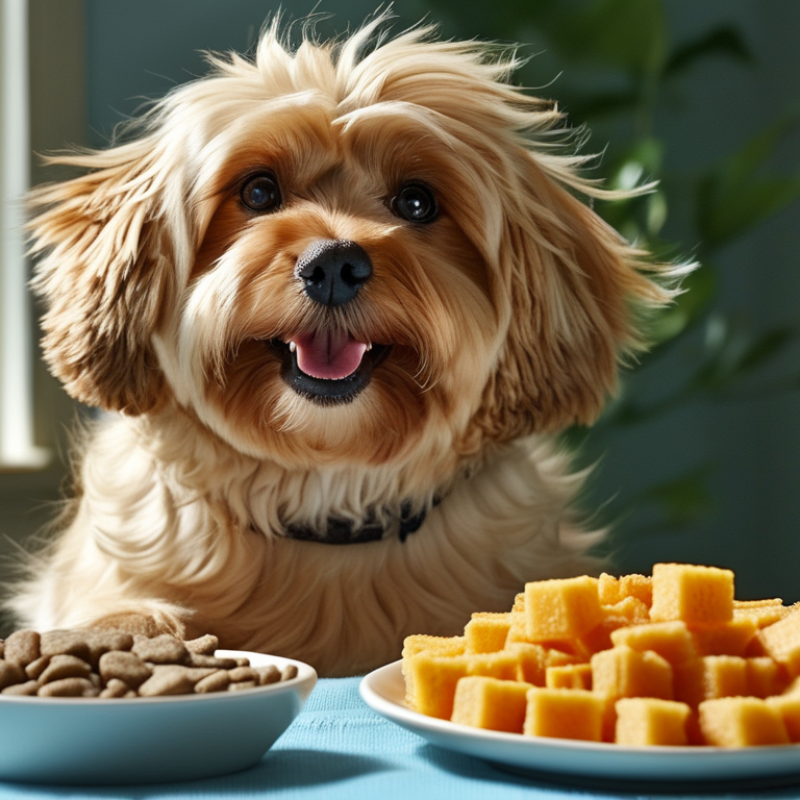
When considering "how often should I give my dog treats," it's important to strike a balance. Treats are a great way to bond with your furry friend. However, overindulging can lead to health issues like obesity.

Many pet owners may underestimate the impact of treats. The frequency should align with your dog’s activity level and dietary needs. A good rule is to limit treats to about 10% of their daily calorie intake. This perspective can help maintain their overall well-being.

Reflecting on your dog’s individual needs is crucial. Each dog is unique, and their treat requirements can vary widely. Finding the right balance takes time and observation. Understanding how your dog responds to treats can lead to a more rewarding experience for both of you.

How Often Should I Give My Dog Treats Tips for Pet Owners?

Understanding the Nutritional Needs of Your Dog

When it comes to treating our dogs, understanding their nutritional needs is crucial. Dogs require a balanced diet rich in proteins, fats, carbohydrates, vitamins, and minerals. According to the Association of American Feed Control Officials (AAFCO), commercial dog food must meet specific nutritional standards. Over 50% of pet owners are unaware of how treats can affect a dog's overall diet. This can lead to unnecessary weight gain and nutritional imbalances.

Treats should only account for about 10% of a dog's daily calorie intake. For example, a 50-pound dog needs around 1,200 to 1,500 calories daily. Thus, only 120 to 150 calories should come from treats. Many owners opt for highly processed snack options without realizing these can often contain excessive sugars and unhealthy fats. In contrast, fresh fruits or vegetables, like carrots or blueberries, can serve as healthy alternatives.

Monitoring your dog's response to treats is equally important. Some dogs may develop food sensitivities. Different breeds may react differently to specific ingredients, making it essential to observe for any adverse effects. Regular vet check-ups can help in evaluating your dog's digestive health and overall nutrition. Treats should enhance the bond between you and your dog, not outweigh the nutritional balance their daily meals provide.

Determining Appropriate Treat Frequency by Dog Size and Age

When considering how often to give your dog treats, it's essential to factor in both size and age. Research suggests that small breeds, such as Chihuahuas and Dachshunds, require fewer treats than larger breeds like Labradors or German Shepherds. A small dog might enjoy a treat 1-2 times a day, while large dog owners can consider 3-4 times per day. Each dog is unique, and individual health needs should also guide treat frequency.

Puppies typically have different requirements compared to adult dogs. For them, treats are often useful for training. However, controlling their intake is crucial, as over-treating can lead to obesity. The Association for Pet Obesity Prevention reports that more than 50% of dogs in the U.S. are overweight. This statistic highlights the need for pet owners to monitor their dog's weight closely. The combination of age and size influences how many treats are appropriate without compromising overall health.

It's also important to be mindful of the nutritional content of treats. High-calorie treats can quickly contribute to weight gain. Owners should account for treats as part of the dog's daily caloric intake. Balancing treats with regular meals maintains a healthy diet. Given the statistics regarding pet obesity, reflecting on treat habits can lead to better health outcomes for dogs.

How Often Should I Give My Dog Treats Tips for Pet Owners?

Dog Size Age Recommended Treats per Day Notes
Small (up to 20 lbs) Puppy 3-4 treats Keep treats small and low-calorie.
Small (up to 20 lbs) Adult 2-3 treats Monitor weight to avoid obesity.
Medium (21-50 lbs) Puppy 4-5 treats Ensure balanced nutrition with main meals.
Medium (21-50 lbs) Adult 3-4 treats Avoid overfeeding, consider activity level.
Large (51 lbs and up) Puppy 5-6 treats Higher calorie needs, focus on healthy options.
Large (51 lbs and up) Adult 4-5 treats Sustain a healthy weight through activity.

Choosing Healthy Treat Options for Your Pet

Choosing healthy treat options for your pet is essential to their overall well-being. Treats should not exceed 10% of your dog's daily caloric intake. Opt for low-calorie options, like cut-up vegetables such as carrots or green beans. These can be nutritious and fun for your dog to chew on.

Many commercial treats are loaded with fillers and preservatives. When selecting packaged treats, read the ingredient list carefully. Look for whole food options. Avoid those that list artificial ingredients or sugars. It's tempting to indulge your dog, but moderation is key.

Consider incorporating homemade treats into your pet's diet. Simple recipes using oats, peanut butter, and pumpkin can be both healthy and delicious. However, be cautious with ingredients. Some items, like chocolate and grapes, are harmful to dogs. Reflect on your choices and ensure they support your dog's health.

Balancing Treats with Regular Diet to Maintain Health

Balancing treats with a dog’s regular diet is crucial for maintaining their health. Studies show that treats can make up to 10% of a dog’s daily caloric intake. This means a 50-pound dog consuming 1,200 calories should have no more than 120 calories from treats. Treats should be nutritious and avoid empty calories, which can lead to obesity. According to the Association for Pet Obesity Prevention, approximately 56% of dogs in the U.S. are overweight.

One way to balance this is by adjusting meal portions. If your dog receives extra treats, reduce its meal size accordingly. This will help prevent weight gain while allowing your furry friend to enjoy rewards. You can also use low-calorie treats or even fruits and vegetables like carrots or green beans. These alternatives can be healthier options and often loved by dogs.

Remember to consider your dog’s activity level and age. A senior or less active dog may have lower caloric needs. Conversations with a veterinarian can guide you on appropriate treat levels. Finding the right balance requires trial and error. Take notes on how your dog responds to different treats. Adjust as needed based on their energy levels and body condition.

Using Treats for Training Without Overindulging

Using treats for training can be effective, but moderation is key. It’s easy to overindulge your dog with snacks. Instead, focus on using treats as part of a well-structured training plan. This helps your dog associate rewards with good behavior while managing their overall calorie intake.

One tip is to choose small, low-calorie treats. These can be just as rewarding for your dog, allowing you to give more frequently without the guilt. For example, tiny pieces of carrots or apple slices can be healthy options.

Another tip is to restrict treats to training sessions. This not only reinforces good behavior but creates excitement around learning and performing commands.

Make sure to observe your dog's reactions. If they seem less enthusiastic about treats, it may indicate overindulgence. Reflect on how often you reward them, and adjust accordingly. Balancing treats with verbal praise promotes a positive learning environment. Treats should enhance the training experience, not overshadow it.

FAQS

: How often should I give my small dog treats?

: A small dog may enjoy treats 1-2 times a day. Individual health needs matter too.

What about large dogs?

Large dogs can have treats 3-4 times daily. Monitor their health closely for best results.

Are puppies different when it comes to treats?

Yes, puppies need treats for training. Avoid over-treating to prevent obesity from a young age.

How many dogs in the U.S. are overweight?

More than 50% of dogs in the U.S. are overweight. This shows the importance of treat moderation.

What nutritional content should I consider?

Treats should not exceed 10% of your dog's daily calories. Choose low-calorie, nutritious options.

What types of healthy treats can I give?

Vegetables like carrots or green beans are great low-calorie treats. They are nutritious and fun.

What should I watch for in commercial treats?

Avoid treats with fillers and artificial ingredients. Always check the ingredient list carefully.

Can I make homemade treats for my dog?

Yes, homemade treats can be healthy. Use safe ingredients but avoid harmful ones like chocolate.

What happens if I indulge my dog too much?

Overindulging can lead to weight gain. Reflect on your treat habits to ensure health.

Are there harmful foods I should avoid?

Yes, foods like chocolate and grapes are dangerous for dogs. Make informed choices for their safety.

Conclusion

In the article titled "How Often Should I Give My Dog Treats Tips for Pet Owners?", the importance of understanding your dog's nutritional needs is emphasized to ensure their overall health and well-being. Treat frequency should be determined based on factors like the dog’s size, age, and activity level. For instance, smaller dogs may require fewer treats compared to larger breeds. Additionally, it's crucial to choose healthy treat options that complement their regular diet and avoid overindulgence.

Furthermore, the article highlights the role of treats in training without compromising your dog’s diet. Balancing treats with their regular meals is vital to maintain a healthy weight and prevent obesity. By considering these factors, pet owners can effectively answer the question of "how often should I give my dog treats," ensuring that they reward their furry friends appropriately while promoting a healthy lifestyle.

Mason

Mason

Mason is a seasoned marketing professional with a deep expertise in the company's offerings and a passion for driving brand awareness. With a strong background in digital marketing strategies, he has an innate ability to connect with diverse audiences and effectively communicate product benefits.......