When it comes to pet treats, choosing the right ingredients is crucial. Pet nutrition expert Dr. Sarah Johnson emphasizes, “Understanding what ingredients to avoid in pet treats can significantly improve your pet's health.” This highlights the importance of careful consideration in your selection process.
Pet treats are often filled with additives and fillers that can harm our furry friends. Ingredients like artificial colors, excessive sugars, and low-quality meats can pose risks to pets. Many pet owners may overlook these details when shopping. It’s vital to read labels and recognize harmful components.
To ensure your pet's wellbeing, focus on quality ingredients. Look for treats made with natural components and avoid products with unknown additives. Reflect on your choices. What ingredients should I avoid in pet treats? This question can lead to more informed decisions for better health and happiness in our pets.
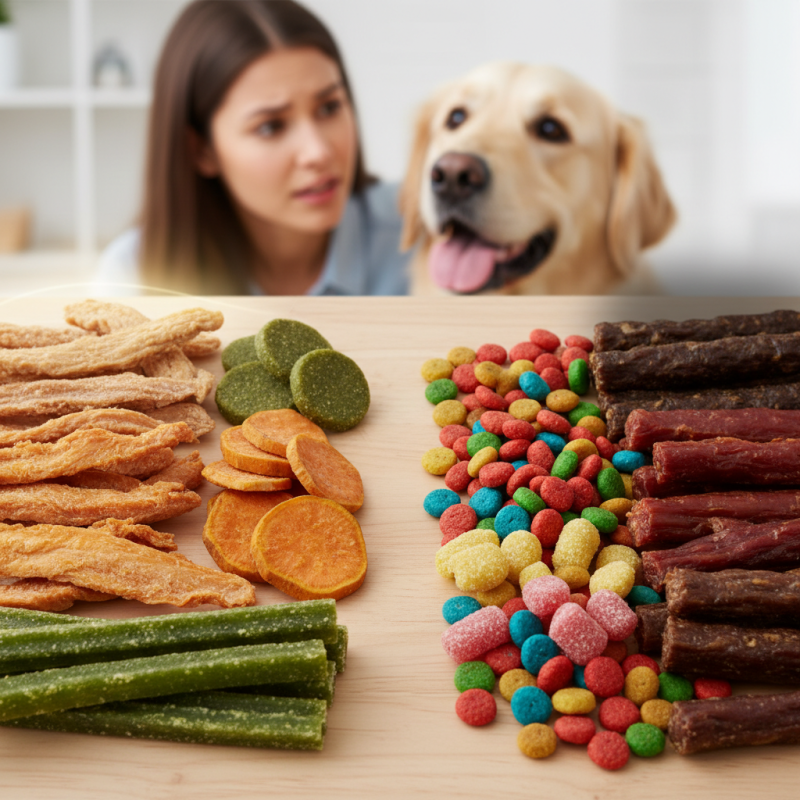
When choosing pet treats, it’s crucial to pay attention to the ingredients list. Not all ingredients are created equal. Some can harm your furry friends. For instance, ingredients like xylitol, commonly found in sugar-free products, can be toxic to dogs, leading to serious health issues. According to a report from PetMD, ingestion of xylitol can cause hypoglycemia and liver failure in dogs.
Another ingredient to avoid is rendered animal fat. This ingredient may come from unknown sources, raising concerns about quality and safety. Research from the ASPCA highlights that poor-quality fats can contribute to obesity in pets. High sugar content is often hidden in many treats. Excessive sugar can lead to dental problems and weight gain.
Artificial preservatives, such as BHA and BHT, are frequently used in commercial pet treats. These synthetic compounds have raised red flags among pet nutrition experts. The FDA categorizes them under potential carcinogens. Choosing treats with natural preservatives, like vitamin E, provides a safer alternative. Always read labels closely. Your pet’s health depends on it!
| Ingredient | Harmful Effects | Common Sources |
|---|---|---|
| Chocolate | Can cause vomiting, diarrhea, and in severe cases, seizures. | Baked goods, certain candies. |
| Onions and Garlic | Can lead to anemia and gastrointestinal upset. | Food seasoning, home-cooked meals. |
| Xylitol | Can cause insulin release, leading to hypoglycemia. | Sugar-free gum, candies, baked goods. |
| Grapes and Raisins | Can lead to kidney failure in dogs. | Dry fruits, snack foods. |
| Alcohol | Can lead to intoxication, coma, or death. | Certain treats, cakes, or flavored items. |
| Caffeine | Can cause restlessness, rapid breathing, heart palpitations. | Coffee, tea, chocolate. |
| Macadamia Nuts | Can cause weakness, tremors, and hyperthermia. | Baked goods, snacks. |
: Avoid xylitol, as it can be toxic to dogs and lead to serious health issues.
They may pose health risks, including potential carcinogenic effects, according to pet nutrition experts.
Look for ingredients like BHA, BHT, and ethoxyquin on the label. Avoid treats containing these.
Ingredients like wheat, corn, soy, chicken, and beef can trigger allergies in pets.
Consider hypoallergenic options or natural treats like small fruit or vegetable pieces.
Labels provide crucial information on allergens and harmful ingredients that affect your pet's health.
Yes, some artificial preservatives may have long-term health effects, including cancer risks.
Replace their treats with safe, natural alternatives to avoid allergens and health issues.
It can include unwanted animal parts that may not be safe or nutritious for pets.
Focus on brands using natural preservatives like vitamin E and seek transparency from manufacturers.
When considering what ingredients should I avoid in pet treats, it's essential to be aware of several harmful components that can affect your pet's health. Common harmful ingredients include artificial preservatives, which can lead to long-term health issues. Additionally, potential allergens often found in pet treats can provoke reactions in sensitive animals, so it's crucial to read labels carefully.
Moreover, certain dangerous additives and flavorings can be detrimental to pets, compromising their well-being. Poor quality treats may also result in nutritional imbalances, depriving pets of essential nutrients they need for optimal health. Being informed about these factors will help pet owners make better choices for their furry friends.

 Curipaw Pet