Are Natural Pet Treats Better Than Regular Ones for Pets?

Time:2026-05-11 Author:Aria
0%

The debate surrounding pet nutrition is intensifying. Many pet owners are asking, "are natural pet treats better than regular ones?" A survey by the American Pet Products Association revealed that 67% of pet owners are shifting towards natural products. This reflects a growing concern for pet health and wellness.

Research shows that natural pet treats often contain fewer preservatives and artificial ingredients. This can lead to better digestion and overall vitality for pets. A study from the Journal of Animal Science highlights that natural ingredients can enhance the nutritional profile of pet diets. However, not all natural treats are created equal. Quality control and ingredient sourcing often vary significantly across brands.

Choosing the right treat is complicated. While natural treats offer benefits, some regular options provide balanced nutrition at a lower cost. Pet parents must evaluate both types deeply. Personal experience and trusted veterinary advice play crucial roles in this decision-making process. Exploring the merits and considerations of both options is essential for our furry companions' health.
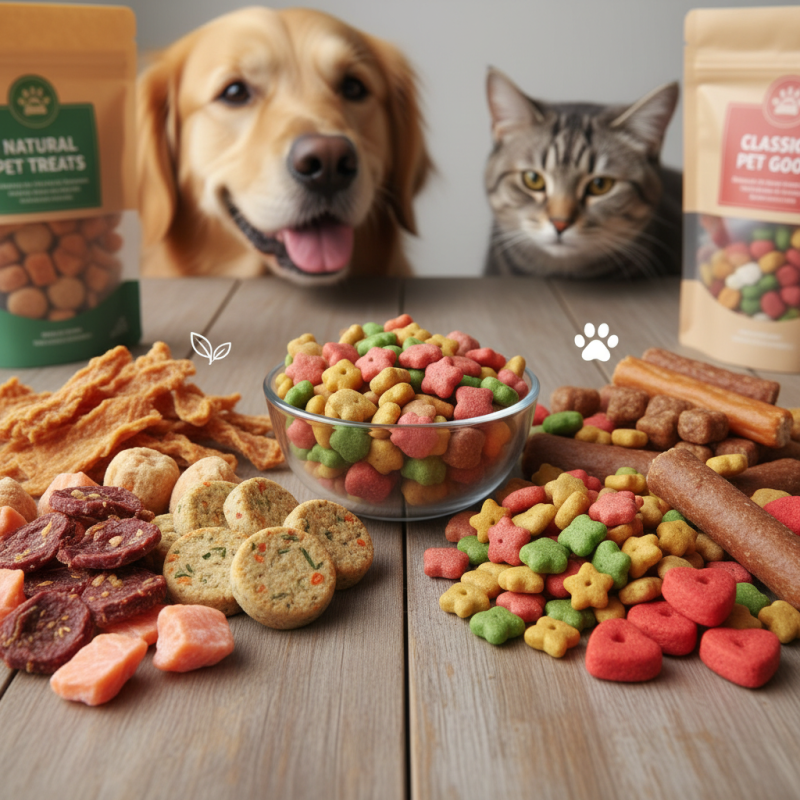
Are Natural Pet Treats Better Than Regular Ones for Pets?

Definition of Natural Pet Treats and Regular Pet Treats

Natural pet treats are made from whole, recognizable ingredients. These include meats, vegetables, and grains that are minimally processed. Regular pet treats often contain artificial flavors, fillers, and preservatives. While they may taste good, these additives can lead to health issues over time. Understanding the distinction can help you make better choices for your furry friends.

When choosing treats, consider the ingredient list carefully. Aim for treats with few, high-quality ingredients. Look for options that are free from by-products and artificial additives. Always ensure that the treat meets your pet's dietary needs. If your pet has allergies or specific health issues, consult a vet for tailored advice.

Tips: Pay attention to your pet’s reactions. Some pets might prefer the taste of natural treats. You can also try rotating different types to see what they enjoy most. Keep an eye on portion sizes; too many treats can lead to weight gain. Always prioritize quality over quantity when treating your pets.

Nutritional Benefits of Natural Pet Treats

The debate between natural and regular pet treats often centers on nutritional benefits. Natural pet treats typically contain whole food ingredients. These ingredients provide essential nutrients that support overall health. A study published by the Pet Food Institute indicates that a diet rich in natural ingredients can enhance a pet's immune function. This is particularly important as pets age.

Natural treats often include fruits, vegetables, and single-source proteins. These ingredients are less processed, preserving their nutritional integrity. For example, carrots provide vitamin A, which is vital for vision and skin health. In contrast, regular treats may contain artificial additives and fillers that lack nutritional value. Research shows that pets consuming natural treats tend to exhibit increased vitality and improved digestion.

Despite the clear benefits, not all natural treats are created equal. Some may still have high caloric content, which could lead to obesity. It's essential for pet owners to read labels carefully and make informed choices. Understanding each ingredient's role will empower owners to choose treats that genuinely benefit their pets.

Potential Risks of Regular Pet Treats

Regular pet treats often contain artificial ingredients, additives, and preservatives. These components can lead to health issues. According to a report by the Pet Food Institute, concerns about food sensitivities and allergies in pets are rising. Approximately 15% of dogs and 20% of cats suffer from some form of food intolerance. This can be exacerbated by low-quality treat ingredients, leading to gastrointestinal distress.

Moreover, many regular treats are high in calories and low in nutritional value. A study from the Association for Pet Obesity Prevention indicated that about 60% of pets in the US are classified as overweight or obese. Regular treats often contribute significantly to daily caloric intake without offering essential nutrients. In contrast, natural pet treats may provide healthier alternatives that maintain a pet's overall well-being. However, they can also pose risks. Not all natural ingredients are safe; some may lead to digestive upset or allergic reactions.

Pet owners should scrutinize treat labels carefully. Even popular natural options can have hidden hazards. The emphasis should be on understanding ingredient sourcing and selecting balanced nutrition. As a responsible pet owner, reflection on your pet’s needs is crucial.

This chart compares the average nutritional scores of natural pet treats and regular pet treats. Natural treats score higher due to their organic ingredients and lack of artificial additives, while regular treats often contain fillers and preservatives that can affect a pet's health.

Impact of Ingredients on Pet Health and Behavior

When considering pet treats, the ingredients' quality significantly influences pet health and behavior. Natural pet treats often boast fewer artificial additives and preservatives. A study published in the Journal of Animal Science indicated that pets consuming natural treats showed improved digestion. Healthier digestive systems can lead to better nutrient absorption and overall wellbeing.

Components found in regular pet treats may contain problematic fillers. Ingredients like corn syrup and artificial colors can lead to obesity and hyperactivity in pets, as noted in a report by the American Veterinary Medical Association. Their studies suggest a link between poor diet and altered behaviors in pets. Natural alternatives often include wholesome meats and vegetables, which can positively impact mood and energy levels.

Consumer preferences are shifting. Research shows that over 70% of pet owners read labels carefully. Many seek transparency regarding ingredient sourcing. Natural ingredients, when sourced responsibly, foster trust and confidence. Yet, there is a concern regarding the authenticity of "natural" claims. Misleading labels can leave consumers questioning their choices. Finding reliable sources remains a journey for many pet owners.

Are Natural Pet Treats Better Than Regular Ones for Pets? - Impact of Ingredients on Pet Health and Behavior

Treat Type Main Ingredients Health Benefits Behavioral Impact Allergens
Natural Treats Organic chicken, sweet potatoes, blueberries Improved digestion, healthier skin, increased energy Reduced anxiety, increased playfulness Low risk of allergens
Regular Treats Meat by-products, artificial flavors, fillers Short-term satisfaction, low cost Possible lethargy, food aggression High allergen potential
Homemade Treats Oats, peanut butter, pumpkin Customization for dietary needs, fresher ingredients Strengthened bond with owner, improved training Can be tailored to avoid specific allergens

Consumer Trends in Pet Treat Preferences

Pet owners are increasingly leaning towards natural pet treats. This shift reflects a growing concern for health and wellness. Many consumers believe that natural treats are safer and more nutritious. The ingredients in these products often come from recognizable sources. It is easier for pet owners to trust what they read on the label.

Research shows that around 60% of pet owners favor natural options. They appreciate the absence of artificial additives and preservatives. Consumers often express uncertainty about regular treats. Some worry that these might negatively impact their pets' health. Social media plays a significant role in spreading awareness. Influencers and pet advocates promote the benefits of natural treats, adding to consumer inclination.

However, not all natural treats are created equal. Some still contain fillers that could upset a pet's stomach. Pet owners must remain vigilant when selecting treats. Reading labels is essential, but understanding ingredients is equally important. The growing demand for transparency in pet food is undeniable and reflects a more informed consumer base.

FAQS

: What are natural pet treats?

: Natural pet treats consist of whole, recognizable ingredients like meats and vegetables. They are minimally processed.

How do regular pet treats differ from natural ones?

Regular pet treats often contain artificial flavors, fillers, and preservatives, which may lead to health issues.

Why should I read the ingredient list on pet treats?

Reading the ingredient list helps you choose high-quality treats free from by-products and harmful additives.

Can regular pet treats cause health issues?

Yes, they can lead to allergies, food intolerances, and obesity in pets due to low nutritional value and high calories.

Are all natural pet treats safe for my pet?

Not all natural treats are safe. Some ingredients may cause digestive upset or allergic reactions.

How can I know what my pet prefers?

Pay attention to your pet’s reactions. You can try different types to discover their favorites.

What should I consider when giving treats?

Portion sizes matter. Too many treats can lead to weight gain, so prioritize quality over quantity.

What trend is seen in pet treat preferences?

Pet owners are increasingly choosing natural pet treats due to concerns about health and wellness.

What role does social media play in pet treat choices?

Influencers raise awareness about natural treats, affecting consumer preferences positively.

Why is transparency in pet food important?

Transparency ensures that pet owners understand what they are feeding, helping them make informed choices.

Conclusion

The article "Are Natural Pet Treats Better Than Regular Ones for Pets?" explores the definition and distinctions between natural and regular pet treats. Natural pet treats are made with whole ingredients, offering enhanced nutritional benefits compared to their regular counterparts, which may contain artificial additives and preservatives. The potential risks associated with regular pet treats, such as contributing to health issues or behavioral problems in pets, are highlighted, emphasizing the impact of ingredients on overall pet health.

Furthermore, the piece discusses consumer trends indicating a growing preference for natural options among pet owners. With an increasing awareness of pet health and nutrition, many pet owners are questioning, "are natural pet treats better than regular ones?" Ultimately, the article suggests that while natural treats can provide significant benefits, pet owners should also consider their pets' specific needs and preferences when making treat choices.

Aria

Aria

Aria is a dedicated marketing professional with a deep passion for innovative strategies and a keen understanding of our company's product offerings. With a wealth of experience in the industry, Aria excels at crafting engaging content that highlights the unique features and benefits of our......