The global pet treat market is becoming more premium, transparent, and ingredient-conscious. APPA’s 2025 State of the Industry report valued U.S. pet industry sales at approximately $152 billion in 2024. Euromonitor International’s 2024 pet care analysis also highlights premiumization and ingredient transparency as important buying trends. These figures matter to exporters, distributors, and private-label buyers.
Learning how to read pet treat ingredient labels helps buyers compare products beyond attractive packaging. Start with the ingredient order. Ingredients usually appear by weight before processing. A treat listing chicken, rice, and glycerin may not contain the same proportions after moisture changes. Look for the guaranteed analysis, feeding directions, calorie information, batch details, and clear manufacturer contact information. Check whether “meat flavor” differs from named meat. Watch for vague terms, inconsistent translations, and claims such as “natural” or “premium.” Marketing language can be polished.
Dr. Cailin Heinze, a veterinary nutritionist and diplomate of the American College of Veterinary Nutrition, explains, “The ingredient list is not the best way to determine the quality of a pet food.” Her point deserves attention. Labels provide evidence, not the complete answer. Buyers should also review laboratory testing, traceability records, recall history, allergen controls, and certification documents. Requirements differ across countries. Confirm every claim with the relevant authority before importing or selling.
Small details matter. A clear lot code can support a fast recall. A missing manufacturer address should invite questions. No method is perfect. Even experienced buyers can overlook processing quality or regional labeling rules. This guide offers a practical framework for making safer, more informed purchasing decisions across global pet treat markets.
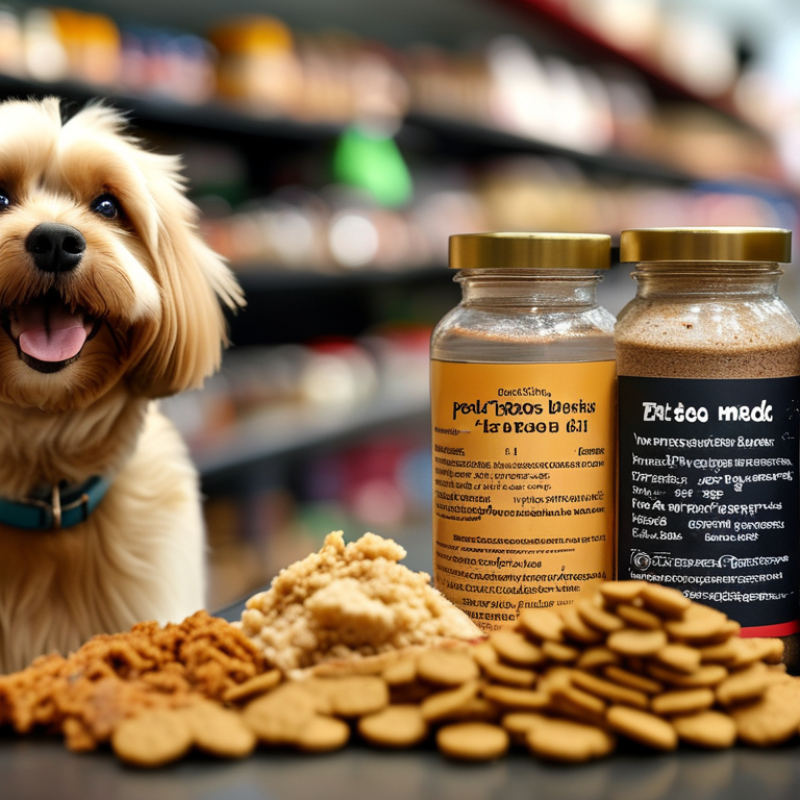
When buying pet treats across borders, start with the ingredient list, not the front label. Ingredients usually appear by weight before processing. The first item often contributes the largest share, but moisture can distort comparisons. Fresh meat contains much more water than dried meat meal. So, a meat-first list is not always the most concentrated formula.
Terminology also needs careful reading. “Meat meal” means a rendered, dried ingredient with water removed. “Animal fat” identifies a broad source, while a named fat gives more detail. “By-products” are edible animal parts, but the term may feel unclear to some buyers. “Natural flavor” can describe a processed flavoring source without showing every component. Treat these terms as clues, not automatic quality scores. I once assumed a short ingredient list meant a simpler product. It did not.
Check whether “additives,” preservatives, and functional ingredients are listed separately. Vitamins and minerals may appear under technical names, such as tocopherols or zinc compounds. The guaranteed analysis shows nutrient percentages, but it does not replace the ingredient list. For global purchasing, compare labels in the original language and the translated version. Confirm species, allergens, origin, batch details, and storage instructions with the supplier. Local labeling rules can differ sharply. A familiar term may carry a different legal meaning elsewhere. Ask for supporting documents when wording remains vague. Small label details matter.
How to Read Pet Treat Ingredient Labels for Global Buyers?
When reviewing pet treat labels, identify the main animal protein first. Look for clearly named sources, such as chicken, salmon, beef, or egg. “Meat derivatives” may provide less useful detail. Protein meals are concentrated ingredients, not automatically inferior. However, buyers should request processing and species information from suppliers.
Grains can include rice, oats, barley, corn, or wheat. Their position on the list shows relative weight before processing. A grain-heavy recipe may suit some pets, but not every market preference. Check for whole grains, refined flours, and possible allergen declarations. Fats also deserve careful attention. Named oils, poultry fat, or fish oil provide more traceability than simply “animal fat.” Confirm whether the fat is stabilized and protected from rancidity.
Functional additives may include vitamins, minerals, fiber, probiotics, or approved preservatives. Their purpose should be clear and supported by technical documents. I once treated a short ingredient list as proof of better quality. That was too simple. Ingredient names and labeling rules can vary between jurisdictions, so global buyers should compare the label with certificates, specifications, and laboratory results. Sensory checks matter too. Notice the smell, texture, and oil separation after storage. A label cannot reveal everything. Ask precise questions, record each answer, and review the evidence before approving a shipment.
For global buyers, feeding guidance deserves the same attention as ingredient names. FEDIAF’s 2024 Facts and Figures report records 139.7 million European households with pets. That scale makes label accuracy commercially important. Check the product’s intended species, life stage, and daily portion. A puppy, an adult cat, and a sterilized senior need different energy levels. “Complete” food should provide all essential nutrients when fed as directed. “Complementary” food does not.
Read the guaranteed analysis carefully. Protein and fat percentages are usually listed on an as-fed basis. Water can distort comparisons between wet and dry treats. Convert values to dry matter before judging products. For example, 10% protein in a treat containing 75% moisture equals 40% protein on a dry-matter basis. Calories matter too. The World Small Animal Veterinary Association recommends considering treats within total daily energy intake. A practical limit often used by veterinary professionals is about 10% of daily calories, though individual needs vary. Small details matter.
Feeding tables are estimates, not promises. A 5-kilogram dog may need less during quiet weeks and more after sustained activity. Monitor body condition, stool quality, and weight changes. The AAFCO Official Publication provides recognized nutrient profiles, but compliance wording still requires careful verification in each market. I sometimes find labels that look precise but omit calorie information. That is a weakness. Buyers should request laboratory data, feeding-trial details, and clear unit conversions before approving a product. Nutritional judgment needs evidence, not attractive packaging.
For global buyers, a pet treat label is a safety document, not just a sales tool. Check the ingredient list, country of origin, net weight, batch code, expiry date, and importer details. FEDIAF’s 2024 Facts & Figures report estimates that 139 million European households own a pet, showing the scale of cross-border demand. Large markets also bring varied labeling rules.
Look for clearly identified animal proteins, fats, minerals, preservatives, and functional additives. Vague terms deserve questions. “Meat derivatives” may follow local rules, but it gives less purchasing confidence than a named species. Ask suppliers for HACCP or ISO 22000 records, recent microbiological results, and certificates of analysis. The FDA’s Preventive Controls framework emphasizes hazard analysis, sanitation, supplier controls, and documented verification. A clean label alone proves little.
Allergen control needs extra attention. Check for common proteins, grains, dairy, and possible cross-contact in shared factories. A “single-protein” claim should match the test records. It can fail without strict line cleaning. Review AAFCO’s 2024 Official Publication for ingredient definitions in the United States, then compare them with FEDIAF guidance and destination-country requirements. Nutritional claims should have evidence, not attractive wording. I would also request heavy-metal, mycotoxin, and pathogen testing when ingredients create risk. Paperwork can be incomplete, and buyers should admit that uncertainty before approving a shipment.
| Review Dimension | What to Check on the Label or Specification | Why It Matters to Global Buyers | Practical Verification Method | Potential Risk Signal |
|---|---|---|---|---|
| Product identity | The product type should be clearly stated, such as complementary pet food, treat, chew, or snack, with the intended animal species identified. | Different markets classify treats differently, which can affect labeling, import documents, and permitted claims. | Compare the product description with the destination market’s feed or pet-food classification rules. | Vague product identity or claims suggesting the product is a complete diet when it is only a treat. |
| Ingredient list order | Ingredients are generally listed in descending order by weight, subject to local labeling rules. Look for specific ingredient names rather than broad terms. | The first ingredients usually contribute most to the formula and help buyers compare products consistently. | Request the complete formula or ingredient declaration and confirm that label wording matches the technical specification. | Unclear descriptions, unexplained ingredient groups, or discrepancies between the label and supplier documents. |
| Animal-derived ingredients | Check the species and source of meat, poultry, fish, gelatin, dairy, eggs, fats, and other animal-derived materials. | Species identification may be relevant to import eligibility, religious or dietary requirements, traceability, and disease-control measures. | Request species declarations, origin information, veterinary or sanitary documents where applicable, and traceability records. | Terms such as “animal fat” or “meat derivatives” without sufficient source information for the destination market. |
| Allergen review | Check for common allergenic materials, including cereals containing gluten, soy, milk, eggs, fish, and other ingredients regulated as allergens in the target market. | Allergen definitions and declaration requirements vary by jurisdiction, and cross-contact can affect sensitive animals. | Review the allergen statement, shared-equipment controls, cleaning procedures, and batch testing where relevant. | “Free from” claims without documented controls, or no explanation of possible cross-contact. |
| Additives and preservatives | Identify preservatives, antioxidants, colors, flavors, humectants, emulsifiers, vitamins, minerals, and technological additives by their recognized names or identification numbers where required. | An additive permitted in one country may have different conditions of use or labeling requirements elsewhere. | Check each additive against the destination authority’s permitted-use list and verify dosage limits in the formulation. | “Natural” or “clean label” wording used without a full additive disclosure. |
| Guaranteed or analytical analysis | Review crude protein, crude fat, crude fiber, moisture, and ash or other required analytical values. | Nutrient declarations support product comparison and help buyers assess suitability for different feeding programs. | Compare the label with a recent certificate of analysis and confirm the basis used, such as “as fed” or dry matter. | Nutrient figures with no measurement basis, no tolerance information, or inconsistent laboratory results. |
| Feeding instructions | The label should state recommended daily amounts, suitable animal size or life stage where relevant, and that fresh drinking water should be available when appropriate. | Clear instructions reduce overfeeding risk and support compliant consumer information. | Check whether feeding guidance is supported by product composition, energy data, and the destination market’s requirements. | Medical, weight-loss, or therapeutic instructions without appropriate authorization or substantiation. |
| Batch and traceability information | Look for lot or batch number, production date or best-before date, manufacturer or responsible operator details, and country-of-origin information when required. | Traceability enables targeted recalls, complaint investigation, and import-control documentation. | Confirm that every shipment can be linked to raw-material records, production records, and laboratory results. | Missing lot codes, unreadable dates, or inability to trace ingredients to a specific production batch. |
| Microbiological safety | Evaluate controls for pathogens and spoilage organisms relevant to the product, such as Salmonella, pathogenic Escherichia coli, molds, and yeasts. | Pet treats can pose risks to animals and people who handle them if manufacturing or storage controls fail. | Request a hazard analysis, process controls, validated kill-step information where applicable, and current laboratory reports. | Testing performed only on finished goods with no preventive-control records or unexplained positive results. |
| Chemical and physical hazards | Consider mycotoxins, heavy metals, pesticide residues, veterinary-drug residues, rancidity, foreign materials, and choking hazards. | Risk levels and import controls may depend on ingredients, processing methods, animal species, and destination-country rules. | Use a risk-based testing plan and review supplier approval, incoming-material inspection, metal detection, and shelf-life validation. | No documented hazard analysis, no foreign-material controls, or shelf-life claims unsupported by stability data. |
| Manufacturing standards | Review evidence of good manufacturing practices, sanitation, pest control, personnel hygiene, process control, and a documented food-safety system. | A credible preventive system is more reliable than label wording alone for controlling contamination and quality variation. | Request audit reports, certification scope, corrective-action records, and details of the facility covered by the documents. | A certificate that has expired, covers a different site, or excludes the relevant product category. |
| Regulatory market fit | Check language, units, mandatory warnings, ingredient terminology, importer details, claims, and registration or approval requirements for the destination country. | A product can be safe yet inadmissible if its label, claims, or documentation do not meet local rules. | Obtain a destination-specific label review from the competent authority, qualified regulatory specialist, or importer. | One universal label used across markets without checking local requirements. |
| Claims and marketing language | Assess claims such as “complete,” “natural,” “hypoallergenic,” “grain-free,” “human-grade,” “organic,” or “supports joint health” for accuracy and substantiation. | Claims may trigger additional definitions, evidence requirements, or restrictions in the target market. | Request scientific support, certification records where applicable, and confirmation that claims are allowed for animal-feed products. | Disease-treatment or prevention claims, absolute safety claims, or terms with no recognized definition. |
| Packaging and storage | Check packaging integrity, barrier properties, net quantity, storage conditions, resealability, and transport requirements. | Heat, oxygen, moisture, and long shipping periods can reduce safety and shelf life. | Review packaging specifications, seal-integrity tests, accelerated or real-time shelf-life data, and logistics conditions. | Swollen packs, leaking seals, condensation, damaged cartons, or storage instructions that conflict with transport conditions. |
| Documentation package | The supplier should be able to provide specifications, certificate of analysis, allergen statement, origin details, batch records, safety data, and export documents as applicable. | Complete documentation supports customs clearance, retailer review, risk assessment, and recall readiness. | Use a document checklist and verify dates, product codes, batch numbers, facility details, and issuing laboratories. | Documents are generic, incomplete, inconsistent, or issued for a different product or manufacturing site. |
Reading pet treat labels across countries requires more than translating ingredient names. Local rules can change ingredient order, additive terms, feeding statements, and measurement units. In the United States, guaranteed analysis commonly shows crude protein and fat. European labels may present analytical constituents instead. Moisture also affects comparison. A treat with 20% protein may look stronger than one with 15%, but their moisture levels could differ significantly.
Market scale increases the need for careful checking. The APPA 2023–2024 report estimated that 66% of U.S. households owned a pet. FEDIAF’s 2024 Facts and Figures reported approximately 139.7 million European pet-owning households. These markets use different label habits and supplier documentation.
I compare the original label, translated version, specification sheet, and laboratory certificate. I also check whether “chicken” means named meat, meal, or a broader animal derivative. That distinction can be easy to miss. It is not always perfectly clear.
Tips: Record the country of sale, supplier location, batch number, net weight, and moisture content. Compare ingredients on a dry-matter basis when possible. Confirm additive names against official local references. Ask suppliers for updated specifications, because packaging may change before your spreadsheet does. One small translation error can weaken an otherwise careful buying decision.
: Identify the main animal protein. Look for named sources such as chicken, salmon, beef, or egg. Clear names improve traceability.
No. Protein meals are concentrated ingredients. Ask for the species, processing method, and supplier specifications. Details matter.
Grains may include rice, oats, barley, corn, or wheat. Their position reflects weight before processing. Check for whole grains, refined flour, and allergen statements.
Prefer named oils, poultry fat, or fish oil. Ask whether the fat is stabilized. Check for rancid smells or oil separation after storage.
Vitamins, minerals, fiber, probiotics, and preservatives should have clear purposes. Request technical documents and supporting test results. Attractive wording is not evidence.
Check the ingredient list, origin, net weight, batch code, expiry date, and importer details. Match every detail with certificates and specifications.
Ask about shared production lines and cleaning procedures. A single-protein claim needs test records. It can fail without strict line cleaning.
Request food-safety records, recent microbiological results, and certificates of analysis. Depending on ingredients, request pathogen, heavy-metal, and mycotoxin testing. Paperwork can be incomplete.
No. I once made that assumption. It was too simple. Inspect smell, texture, storage stability, records, and laboratory results together.
Compare the label with destination-country rules and ingredient definitions. Confirm nutritional claims with evidence. Uncertainty should be recorded before approval.
Learning how to read pet treat ingredient labels is essential for global buyers who need to evaluate quality, nutrition, and market suitability. Start by reviewing ingredients in descending order by weight and understanding common label terms. Identify the main animal proteins, grains, fats, and functional additives, while checking whether the formula matches the intended pet type and dietary purpose. Nutritional information, including protein, fat, fiber, moisture, calories, and feeding guidelines, can help buyers compare products and assess practical use.
Buyers should also examine allergen statements, storage instructions, batch details, expiration information, and stated safety or quality controls. Regulatory requirements may differ between countries, so labels should be checked for accurate declarations, permitted ingredients, required warnings, and appropriate measurement units. Comparing labels across supplier markets can reveal differences in formulation, serving recommendations, terminology, and compliance expectations. A careful, consistent review supports informed sourcing decisions and helps ensure that selected treats are transparent, nutritionally appropriate, and suitable for the target market.

Curipaw Pet