Pet obesity is a growing concern for pet owners. According to the Association for Pet Obesity Prevention, over 60% of cats and dogs are classified as overweight or obese. This statistic highlights the need for pet owners to be mindful of their pets' diets, particularly regarding treats. The habit of overfeeding treats can lead to serious health issues, such as diabetes and joint problems.
Understanding how to stop overfeeding treats to pets should be a priority. Treats often constitute a significant portion of a pet's daily caloric intake. A study by the University of California found that many pet owners underestimate portion sizes. Close monitoring is essential to maintain a healthy weight for pets.
Moreover, emotional bonding through treats can sometimes cloud judgment. It is common to think of treats as rewards for love and affection. However, this practice needs reflecting, especially when the well-being of a beloved pet is at stake. Knowing how to effectively curb this habit will improve the quality of life for pets and create a healthier environment. Embracing mindful feeding practices is essential for lasting, positive changes.
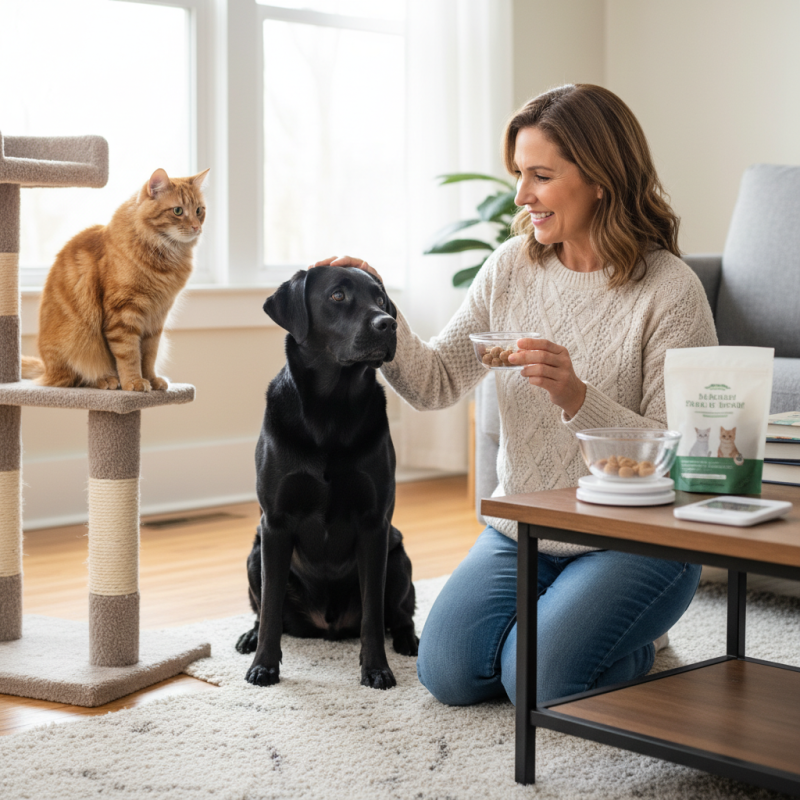
Overfeeding treats can lead to serious health issues for pets. Many owners do not realize how a few extra bites can add up. Just like humans, pets can become overweight. Obesity increases the risk of diabetes, heart disease, and joint problems. Regular vet visits highlight these risks, emphasizing the importance of balanced nutrition.
Understanding the consequences of overfeeding is crucial. If your pet is constantly begging for treats, it might seem harmless. However, excessive snacking can disrupt their eating habits. This can lead to nutrient imbalances. Additionally, pets may develop bad behaviors when they receive too many treats. Learning moderation is key. You might feel guilty not giving them treats, but consider long-term health over momentary happiness.
Being a responsible pet owner means making tough choices. Cutting back on treats may cause some initial resistance. Yet, transitioning to healthier snack options can enrich their diet. You can incorporate fruits or vegetables instead of high-calorie treats. Monitoring portion sizes will help maintain their weight. Keeping a close eye on your pet’s health is a reminder of your love.
When it comes to choosing treats for your pets, understanding their specific needs is crucial. According to the Association for Pet Obesity Prevention, over 50% of dogs and cats in the U.S. are considered overweight or obese. This statistic highlights the importance of monitoring treat intake. Treats should complement a balanced diet, not replace it.
High-quality, low-calorie treats can be a great option. Look for those with natural ingredients and avoid those high in fillers.
When deciding on the quantity, the general guideline is that treats should not exceed 10% of your pet’s daily caloric intake. For example, if your dog needs 500 calories a day, their treats should tally up to no more than 50 calories. Offering treats during training is effective but requires careful measurement. You can use a kitchen scale or caloric calculator as a reference point.
Tip: Always read labels for hidden calories. Some treats may seem small but pack a caloric punch. Also, consider homemade treats. Simple recipes using oats, pumpkin, and peanut butter can help control ingredients and portions. Reflect on what your pet enjoys; observe their reaction. Their preferences can guide you to healthier options that keep them engaged while maintaining their well-being.
Establishing a balanced feeding schedule for pets is crucial in preventing overfeeding of treats. According to the Association for Pet Obesity Prevention, more than 60% of pets in the U.S. are overweight or obese. This statistic highlights the need for proper portion control in pet diets. A clear schedule can help manage your pet's overall intake, reducing the temptation to give in to their begging.
Design a feeding routine that distinguishes between meal time and treat time. For instance, allocate specific days for treats, maybe during training or special occasions. Maintaining a limit on treats to only around 10% of a pet’s daily caloric intake can be beneficial. Many owners often underestimate the calories in treats, and this can lead to unintentional overfeeding. Using a food scale to measure both main meals and treats can provide more control.
Reflecting on your pet's eating habits may reveal some flaws. Many pet owners find themselves giving extra treats out of affection or guilt. This emotional feeding can contribute to an unhealthy weight. Keep a journal to track your pet’s weight and treat consumption. Consider consulting a veterinarian for personalized advice on your pet's nutritional needs. Regular check-ups ensure that your feeding schedule remains effective and healthy.
This chart represents the average number of treats given to pets per week, alongside a suggested balanced feeding schedule. The goal is to highlight the importance of limiting treat consumption to maintain a healthy diet for pets.
Using positive reinforcement for pet training can be highly effective. However, many pet owners struggle with overindulging in treats. It’s easy to think more treats equal better training. But this mindset can lead to unhealthy habits for our furry friends.
Instead of relying solely on tasty rewards, consider incorporating other types of positive reinforcement. Use verbal praise, petting, or playtime as alternatives to food treats. These methods can create a more balanced approach. For example, when your pet sits or stays, offer a friendly "good job!" or a quick game with their favorite toy. This not only reinforces the behavior but also strengthens your bond.
Monitoring treat intake is essential. Aim for treats to make up no more than 10% of your pet’s daily calories. Keep track of how many treats you give each day. It can be eye-opening. If your pet seems overly dependent on treats for motivation, reassess your training strategy. Finding the right balance takes time and patience. It's a continuous learning process for both you and your pet.
Overfeeding treats to pets can lead to obesity and health issues. To mitigate this, engaging in alternative activities can effectively distract our furry friends from demanding treats. A study by the Association for Pet Obesity Prevention found that approximately 60% of pets in the U.S. are overweight. This statistic highlights the urgent need for pet owners to manage their pets' treat intake.
Activities that stimulate your pet's mind and body can divert their attention from food. Interactive toys or puzzle feeders keep pets engaged, encouraging them to think rather than beg for treats. Regular walks and play sessions can also help burn calories and reduce their focus on food. Moreover, changing the routine adds excitement and offers pets a new way to bond with their owners.
Recognizing your pet’s emotional needs is essential. Pets often seek treats out of boredom or attention-seeking behavior. By providing adequate stimulation, you can mitigate this behavior. However, realizing this isn't always straightforward. Sometimes, pets will still show an insatiable desire for treats. Reassessing their activity levels and mental engagement can bring positive changes. It's important to find a balance that works for both you and your pet.
: Overfeeding can lead to obesity, diabetes, heart disease, and joint problems in pets.
Too many treats can disrupt eating habits and lead to bad behaviors.
Treats should complement a balanced diet and not exceed 10% of their daily calories.
Select high-quality, low-calorie treats with natural ingredients and avoid fillers.
Use a kitchen scale or caloric calculator to ensure proper portion sizes for your pet.
Consider fruits or vegetables as healthier snack options for your pet's diet.
Moderation prevents obesity and supports long-term health over momentary happiness for pets.
Watch your pet's reactions to treats; their preferences can help guide healthier choices.
Yes, homemade treats allow for ingredient control and portion management.
Monitor their treat intake and keep an eye on their overall health regularly.
Overfeeding treats to pets can lead to serious health issues, such as obesity and related diseases. To effectively address the question of how to stop overfeeding treats to pets, it is crucial to first understand the consequences of excessive treat consumption. This knowledge helps pet owners make informed decisions about their pet’s diet.
Identifying the right types and quantities of treats is essential, as is establishing a balanced feeding schedule that limits treat giving. Instead of relying solely on treats for positive reinforcement, owners can utilize praise and play as alternatives. Engaging in various activities not only distracts pets from demanding treats but also fosters a healthier and more active lifestyle. By implementing these strategies, pet owners can ensure their furry friends receive the love and attention they need without compromising their health.
Curipaw Pet