When it comes to choosing the right treats for your feline friend, the decision can be overwhelming. Cats have unique dietary needs, and not all treats are created equal. According to Dr. Jane Gorman, a veterinary nutritionist with over 15 years of experience, “Selecting the best treats for cats requires careful consideration of ingredients and your cat’s health.” This underscores the importance of understanding how to pick the best treats for cats.
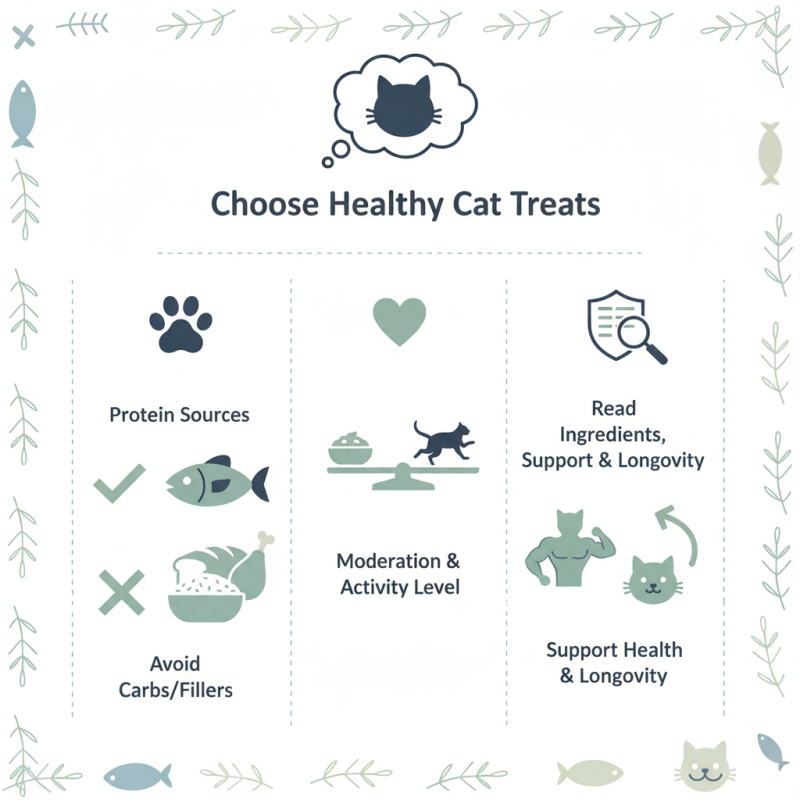
Many pet owners often overlook the significance of high-quality ingredients. Treats filled with fillers and artificial additives can harm your cat's health. A balanced diet is vital for your cat's well-being. It's crucial to focus on protein sources and avoid excessive carbohydrates. This can be tricky, as some popular brands may not align with these needs.
Additionally, while treats can be a delightful tool for training, moderation is key. Overindulgence can lead to obesity or other health issues. Reflect on your cat's activity level and tailor treats to their needs. Supporting your cat's health should always be your priority. Taking the time to understand how to pick the best treats for cats can enhance their happiness and longevity.
Understanding your cat's nutritional needs is crucial for their overall health. Cats are obligate carnivores, meaning they require specific nutrients primarily from animal sources. Research suggests that 70% of a cat’s diet should be protein-rich, while only about 10% can come from carbohydrates. This means that when choosing treats, prioritize those that are high in quality animal protein, such as chicken or fish.
When selecting cat treats, consider the ingredient list closely. Look for options without artificial additives and fillers. Many commercial treats can contain high levels of carbohydrates and sugars, which many feline diets do not require. A study in the Journal of Animal Science noted that snacks containing 20% high-quality protein can significantly impact your cat’s energy and mood positively.
Tip: Look for treats that indicate real meat as the first ingredient.
Another consideration is the caloric content of the treats. Cats can easily gain weight with high-calorie snacks. A report from the Association for Pet Obesity Prevention states that over 50% of cats in the U.S. are overweight or obese. Keeping treats to around 10% of your cat's daily caloric intake is advisable. Be mindful about portion sizes and frequency of treats.
Tip: Use treats for training or as occasional rewards rather than as regular meals.
By understanding these foundational aspects of feline nutrition, you'll be better equipped to choose the best treats that support your cat's health and happiness.
Choosing the right treats for your cat is more than just grabbing the first bag you see. Ingredients matter significantly. Look for treats that list real meat or fish as the first ingredient. These provide essential proteins that support your cat's overall health. Avoid treats with excessive fillers, artificial flavors, and preservatives. They might seem appealing, but they can lead to health issues in the long run.
Quality is equally important. Opt for treats that have undergone strict quality control. This ensures that what you are feeding your cat is safe. Don't be swayed by flashy packaging or marketing gimmicks. Sometimes, less recognized brands offer better nutrition than popular names. Investigate the source of ingredients. Understanding where they come from builds confidence in your choices.
Pay close attention to your cat's response to different treats. Some may not enjoy a certain flavor or texture. Be open to experimenting until you find what excites their palate. This is part of being a responsible pet parent. Keep in mind that moderation is key. Treats should complement, not replace, a balanced diet. Prioritize health over convenience to ensure your cat thrives.
When choosing treats for your cat, age and health matter significantly. Kittens need energy-boosting snacks rich in nutrients to support their growth. Older cats, on the other hand, may require softer treats to accommodate dental issues. Pay attention to their wellbeing; treats should provide benefits rather than just empty calories. Observing your cat's reaction to different treats can offer insights into their preferences and health status.
Additionally, some health conditions may restrict certain ingredients. Cats with obesity should avoid high-fat snacks. Diabetic cats need treats low in carbohydrates. It’s vital to read labels carefully. Look for specific mention of dietary needs. If you're unsure, consulting a veterinarian can guide you to the best options. Your cat's health should always come first, and some treats might seem appealing but could pose risks.
It takes time to find the right treats, and it’s okay to experiment slowly. Notice how your cat behaves after eating specific snacks. Some may love a treat, while others may react negatively. Each cat is unique, making the process challenging. Prioritizing their health over instant gratification is essential.
When selecting treats for cats, understanding their texture and flavor preferences is crucial. Cats have unique taste profiles. Research shows that most cats prefer fish or poultry flavors over other options. Texture also plays a significant role. Crunchy treats may appeal more to some cats, while others enjoy softer, chewable snacks.
Tip: Observe your cat’s reaction to different textures. Some cats may turn their noses up at crunchy treats. If possible, provide samples of various textures to see what they prefer.
Studies reveal that cats are more likely to enjoy treats with added moisture. This is essential, especially for cats that may not drink enough water. Treats with a meaty texture could meet this need while delighting their palate.
Tip: Incorporate a variety of flavors in your cat’s diet. Rotate treats to keep their interest piqued. This practice ensures they receive a balanced intake and prevents boredom with their meals. Keep in mind that individual preferences can vary widely among cats, requiring patience and experimentation.
When selecting treats for cats, monitoring consumption is vital for their overall health. According to the American Association of Feed Control Officials, cat treats should not exceed 10% of a cat’s daily caloric intake. Overindulgence can lead to obesity, which affects nearly 60% of U.S. cats. This statistic underscores the significance of mindful feeding practices.
Tracking what your cat consumes can highlight patterns. If a treat causes excessive weight gain or digestive issues, it’s time for reevaluation. Some treat ingredients could trigger allergies, leading to discomfort. Research from the Journal of Animal Science indicates that natural ingredients are preferred by up to 70% of pet owners. Understanding your cat's unique needs can ensure their well-being.
It’s essential to balance enjoyment and nutrition. You might find that certain treats are loved but are lacking in essential nutrients. Regular exposure to low-quality treats could result in deficiencies. By analyzing your cat’s responses to various options and adjusting accordingly, you promote a healthier lifestyle. Remember, it’s about what works best for your feline companion.
: Look for real meat or fish as the first ingredient for essential proteins.
Excessive fillers and artificial ingredients can lead to long-term health issues.
Choose treats with strict quality control and avoid flashy packaging tricks.
Most cats favor fish or poultry over other flavors.
Texture matters; some cats prefer crunchy treats while others like softer options.
Treats should be no more than 10% of their daily intake to prevent obesity.
Weight gain or digestive problems can signal a need for reevaluation.
Rotate different flavors and textures regularly to prevent boredom.
Every cat is different. Be patient and experiment to find their favorites.
Yes, they can lead to nutrient deficiencies and affect your cat's health long-term.
When it comes to how to pick the best treats for cats, it's essential to understand your pet's unique nutritional needs. Cats require a balanced diet rich in proteins, so selecting treats that meet these requirements is crucial for their overall health. Additionally, the ingredients and quality of these treats should be carefully considered; look for natural components that contribute to your cat's well-being.
Moreover, factors such as your cat's age and health status play a significant role in treat selection. Older cats or those with specific health issues may require treats formulated to support their needs. It's also important to evaluate the texture and flavor of treats, as these can greatly influence your cat's enjoyment. Finally, monitoring your cat's treat consumption will ensure they reap the health benefits without overindulging. By following these guidelines, you can effectively enhance your cat's treat experience while supporting their health.

Curipaw Pet