Training your pet using treats can lead to remarkable behavior changes. Understanding how to use treats for positive reinforcement training is essential. Dr. Karen Becker, a well-known veterinarian, emphasizes this by saying, "Positive reinforcement builds trust and strengthens your bond." This insight underlines the importance of treats in training sessions.
When using treats, it's crucial to choose the right ones. Select high-quality, small, and flavorful options that your pet enjoys. Break the treats into smaller pieces to ensure your pet stays engaged. Timing is also critical. Deliver the treat immediately after the desired behavior. This creates a strong connection in their mind.
However, relying too heavily on treats can create issues. Some pets may only respond to treat-based rewards, making it harder to train them without food. Occasionally, you might face challenges in maintaining your pet's attention. Adjusting treat sizes and types can help keep your training effective. Testing new strategies keeps the training fresh and engaging for both you and your pet.
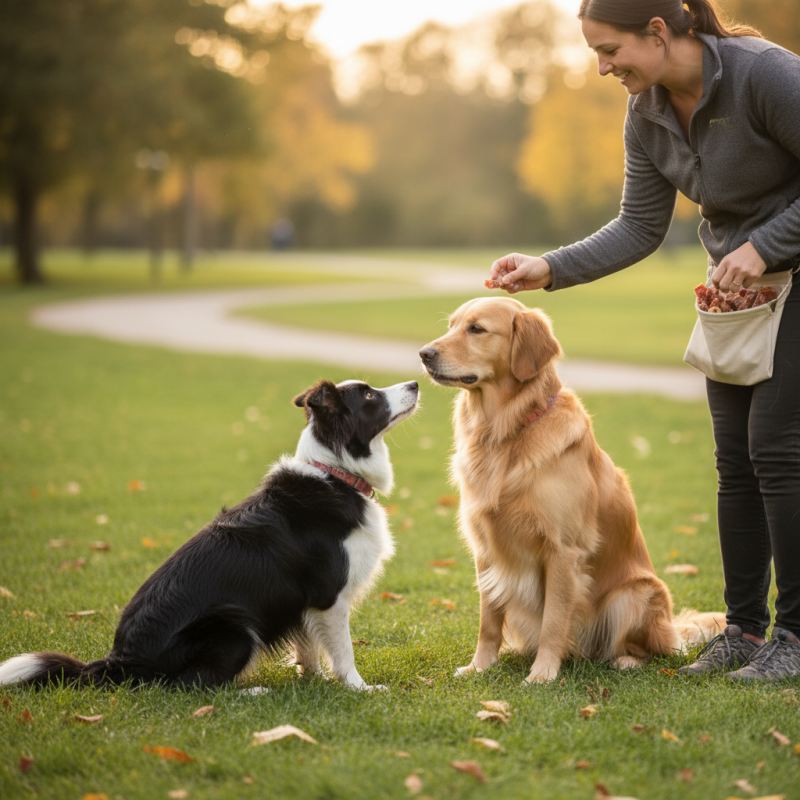
Understanding positive reinforcement can transform your training approach. Using treats as rewards taps into basic learning principles. When an action is followed by a pleasant consequence, the behavior is likely to be repeated. This simple concept applies to all animals, including pets.
Choosing the right treats is crucial. Opt for small, soft options that are easy to chew. Overly large or hard treats may distract or frustrate your pet. It's essential to gauge your pet’s response. If they seem indifferent, rethink your choices. Some animals prefer different flavors or textures. Experimenting will help you discover what motivates them best.
Consistency is key, but it’s not foolproof. Sometimes, pets may not respond as expected. They could be tired, distracted, or simply having an off day. Training is as much about patience as it is about techniques. Be prepared to adjust your approach based on your pet's mood. A successful training session requires understanding and empathy, alongside treats.
When selecting treats for positive reinforcement training, several factors come into play. One major consideration is the type of treat. Research suggests that high-value treats, such as freeze-dried meat or cheese, elicit quicker responses from dogs. A 2021 study found that 78% of trainers experienced faster learning when using these premium rewards. In contrast, low-value treats like kibble may not motivate the animal enough to engage fully.
Another factor is the size of the treat. Small, bite-sized pieces allow for frequent rewards during training sessions without overfeeding. According to the Association of Professional Dog Trainers, 70% of dog owners reported that smaller treats helped maintain their pets’ focus over longer training periods. Additionally, considering the treat's health implications is vital. Owners should ensure treats are low in calories and free from harmful ingredients. Balancing taste and nutrition fosters a positive training atmosphere.
It's essential to consider your dog's preferences, too. Not every dog reacts the same way to various treats. Some may prefer chewy options, while others lean towards crunchy snacks. Understanding individual tastes might require experimentation. Noting your dog's response is crucial during training sessions. Observing what excites them can lead to a more effective training experience. Listening to your pet's cues can improve your training approach significantly.
| Treat Type | Nutritional Value | Palatability | Size | Training Efficiency |
|---|---|---|---|---|
| Soft Training Treats | Moderate | High | Small | Very Effective |
| Hard Biscuits | High | Moderate | Medium | Effective |
| Freeze-Dried Treats | Very High | Very High | Small | Extremely Effective |
| Vegetable Snacks | Moderate | Low | Medium | Moderately Effective |
| Homemade Treats | Variable | High | Small | Effective |
Timing is a critical element in positive reinforcement training. Research indicates that immediate rewards enhance learning. A study published in the Journal of Animal Behavior found that a delay in reward delivery can decrease the effectiveness of training by as much as 20%. This emphasizes the need for trainers to respond quickly when their pet performs the desired behavior. If the treat comes too late, the connection between the action and reward can weaken.
It's important to recognize that not all trainers effectively deliver rewards. Inconsistent timing can confuse pets. For instance, if a dog sits but receives a treat after standing, it may not understand what behavior is being rewarded. Experts recommend a reward delivery window of two seconds or less to maintain clarity. Instantaneous rewards help solidify the desired behavior in the animal's mind. Clarity in communication and consistency in response can lead to quicker learning.
However, timing can be challenging in practice. Distractions in the environment or unexpected events may affect the trainer's ability to deliver timely rewards. Trainers might find themselves losing focus, which can hinder the training session. Reflecting on these moments is crucial. Adjusting your environment or minimizing distractions can help improve your timing, leading to a more effective training experience.
When evaluating the impact of treats on behavior, it’s essential to have clear metrics. Research shows that 70% of trainers believe treats significantly enhance learning. Observations of behavior changes are crucial. Tracking both positive and negative responses to treats helps refine training methods. This allows for adjustments to maximize effectiveness.
Using treats effectively requires consideration. Keep the treat size small to maintain motivation. A study published in the Journal of Animal Behavior indicates that smaller treats keep animals more engaged during training sessions. Another tip is to vary the treat types. Different flavors can sustain interest. Be aware, however, that over-reliance on treats may lead to behavioral issues, such as entitlement or distraction.
To accurately measure success, document the frequency of desired behaviors. Note setbacks too. If a particular treat leads to diminished attention, it may need reevaluation. Regularly reviewing this data ensures a balanced approach to using treats. This ongoing analysis fosters a healthier training environment and better behavioral improvements.
Using treats for positive reinforcement training can yield fantastic results. However, many trainers overlook common pitfalls that can hinder progress. One frequent mistake is using treats inconsistently. When rewards are unpredictable, dogs may become confused. This inconsistency can lead to frustration for both the trainer and the pet. Structure is crucial. Rewarding every correct behavior helps settle expectations.
Another area to watch is treat quality. Many trainers choose high-calorie snacks. While these treats may be enticing, they can lead to weight issues. Opt for smaller portions or healthier options to maintain your pet's health. Remember, treats should motivate, not overwhelm.
Additionally, some trainers overuse treats as a crutch. When dogs become treat-dependent, they may only respond when food is present. Gradually phase out treats for praise or play. This fosters a stronger bond and encourages independent learning. Treats should enhance training, not dominate it. Reflect on your approach regularly to avoid these common mistakes.
: Positive reinforcement involves rewarding a behavior with a pleasant consequence, encouraging repetition.
Treats serve as effective rewards that tap into basic learning principles for animals.
Select small, soft treats that are easy to chew and gauge your pet's response.
If they show indifference, consider experimenting with different flavors or textures of treats.
Immediate rewards enhance learning and strengthen the connection between action and reward.
Delaying the reward can weaken the effectiveness of the training by up to 20%.
Yes, if rewards are not given promptly, pets may not understand which behavior is being reinforced.
Ideally, rewards should be delivered within two seconds to maintain clarity of communication.
Distractions or losing focus can affect your ability to provide timely rewards during training.
Minimize distractions and adjust your environment to help enhance your focus during training sessions.
The article "Top Tips on Using Treats for Positive Reinforcement Training" provides valuable insights on how to use treats for positive reinforcement training effectively. It begins by explaining the science behind positive reinforcement, emphasizing how rewards can motivate desired behaviors. Choosing the right treats is crucial, as factors such as size, type, and palatability can significantly affect training outcomes.
Additionally, the article highlights the importance of timing in delivering rewards, as immediate reinforcement enhances the connection between behavior and reward. Measuring training success involves evaluating changes in behavior in response to the use of treats, helping trainers understand what works best. Lastly, it addresses common mistakes to avoid, ensuring that treat-based training techniques are applied effectively to foster positive learning experiences.

Curipaw Pet