If you have ever opened a treat cupboard and watched your dog appear instantly, you are not alone. Many dogs seem intensely focused on snacks, even after eating a complete meal. Their excitement may involve natural food motivation, learned behavior, boredom, or an underlying health concern. The question “why is my dog obsessed with treats” deserves more than a simple answer.
Treats are rewarding because they smell strong, taste appealing, and often arrive after desirable behavior. A dog may connect sitting quietly with a crunchy biscuit within seconds. Soon, that behavior can become a daily routine. Some dogs also receive treats during training, greetings, medication, or moments of family stress. I have seen owners offer one small snack to stop barking, then wonder why barking continues. Dogs learn patterns quickly.
Still, intense food-seeking should not be dismissed automatically. Sudden appetite changes, weight loss, increased thirst, vomiting, or restlessness need veterinary attention. Medical conditions can affect hunger, while certain medications may also increase appetite. Portion size matters too. Even healthy treats can contribute to excess calories when given frequently. A useful review includes the dog’s diet, exercise, age, breed tendencies, and recent behavior. I may reward my own dog too often when I feel guilty after a busy day. That is worth admitting. Understanding the cause can help you build healthier boundaries without removing affection, enjoyment, or positive training.
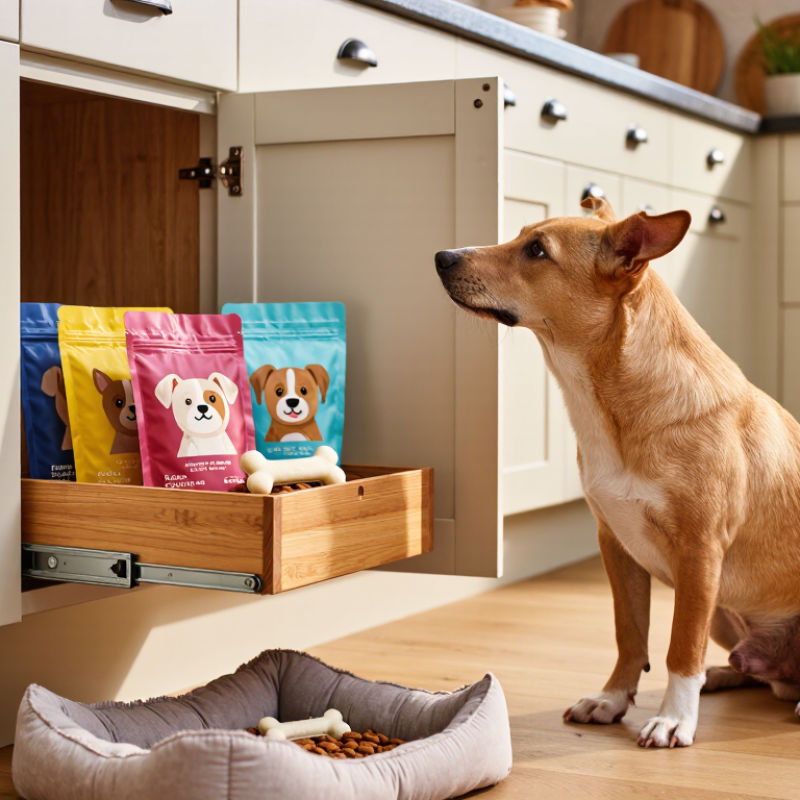
Treats appeal to dogs because they combine strong sensory rewards with learned emotional meaning. Their smell travels quickly, even before the packet opens. Many treats contain concentrated fat, protein, or savory aromas, making each bite unusually noticeable. Dogs also connect treats with walks, training, praise, and human attention. That association can become powerful through repetition.
Food motivation differs between individual dogs. Genetics, age, health, and daily feeding habits all matter. A dog fed irregularly may react more intensely than a dog with constant access to food. Training research also shows that immediate rewards strengthen repeated behaviors. However, excitement does not always mean hunger. A dog may be seeking interaction, stimulation, or a predictable ritual. I sometimes see owners mistake every eager response for nutritional need. That assumption deserves a second look. The Association for Pet Obesity Prevention reported that about 55% of dogs in its 2022 survey were overweight or obese. Extra rewards can quietly contribute to that pattern.
Tips: Keep treats within 10% of daily calories, following WSAVA nutrition guidance. Break larger pieces into tiny portions. Use part of the regular meal during training. Watch body shape, energy, stool quality, and appetite changes. If treat obsession appears suddenly, ask a veterinarian about dental pain, digestive problems, or other medical causes. A simple food diary can reveal more than memory. Track the treat type, amount, timing, and behavior for one week.
What Makes Treats So Appealing to Dogs?
This evidence-informed chart ranks common behavioral and sensory reasons on a relative 0–100 influence scale, rather than presenting population percentages. Dogs are especially responsive to strong food aromas, learned rewards, predictable routines, and the immediate positive interaction that often comes with receiving a treat.
Top 10 Reasons Why Is My Dog Obsessed With Treats?
How Hunger, Instinct, and Daily Habits Influence Treat Fixation
A dog’s treat obsession often begins with hunger, not stubbornness. Long gaps between meals may make small snacks feel extremely valuable. Puppies, active dogs, and underweight dogs can show stronger food-seeking behavior. Health problems may also increase appetite, including some digestive or hormonal conditions. A veterinarian should assess sudden changes in eating, weight, thirst, or energy.
Instinct matters too. Dogs naturally notice rewarding smells and remember where food appears. Treats can become powerful when paired with praise, play, or relief from boredom. The learning is quick. One successful begging moment may create a lasting habit. It is easy to blame greed, but the environment often teaches the behavior. A dog watching food preparation every evening receives repeated signals to wait nearby.
Daily routines can deepen treat fixation. Frequent snacks, inconsistent portions, and treats given during whining may create constant expectation. Even well-meaning owners reinforce this pattern. I have seen careful families misjudge treats because each piece looks tiny. Together, those pieces can meaningfully increase daily calories. Count treats as part of the diet, use measured portions, and reward calm behavior sometimes with attention or play. A food diary can reveal patterns that memory misses. Some dogs improve quickly. Others need slower changes and professional guidance. Hunger may be real, but habit can make it look stronger.
Top 10 Reasons Why Is My Dog Obsessed With Treats?
When a dog begs for treats, training may be working too well. Treats can reward sitting, staring, pawing, barking, or simply appearing beside the kitchen counter. Over time, the dog learns that persistence earns food. Attention can strengthen the habit, even when no treat follows. The remaining reasons may include hunger, habit, breed tendencies, anxiety, medication effects, or an unbalanced feeding schedule. Boredom matters, too. A dog with no sniffing, play, or problem-solving activity may treat the cupboard like entertainment.
The Association for Pet Obesity Prevention reported that 59% of dogs were overweight or obese in its 2022 survey. Extra rewards can quietly add calories, especially when several family members give them. The WSAVA Global Nutrition Committee recommends keeping treats below 10% of daily calories. That guidance is useful, but every dog differs. A sudden appetite increase, weight loss, vomiting, or excessive thirst deserves veterinary attention. It is easy to call a dog “greedy” too quickly.
Tips: Measure the day’s treats in advance. Use part of the regular meal for training. Reward calm behavior, not demanding behavior. Add a ten-minute sniff walk, a food puzzle, or gentle play before offering another snack. Keep a simple log for one week. You may discover that boredom, not hunger, is driving the kitchen visits.
| # | Possible Reason | Common Signs | What It May Mean | Practical Response | When to Seek Advice |
|---|---|---|---|---|---|
| 1 | Treats Have Been Reinforced | The dog stares, paws, barks, or repeats a behavior after receiving a treat. | Dogs repeat behaviors that reliably produce rewards. Treat seeking may be a learned habit rather than true hunger. | Reward calm behavior, use a consistent cue, and avoid giving treats immediately after demanding behavior. Include treats in the daily food allowance. | Seek help if begging becomes difficult to manage or causes conflict at home. |
| 2 | The Dog Wants Attention | Treat seeking occurs when people are busy, on the phone, or interacting with someone else. | The treat may be functioning as social interaction. Even scolding can sometimes reinforce attention-seeking behavior. | Provide planned play, petting, training, or calm companionship. Give attention when the dog is settled, not only when it demands food. | Consider a behavior professional if attention-seeking includes persistent barking or destructive behavior. |
| 3 | Boredom or Low Mental Stimulation | The dog searches for food, wanders, nudges people, or becomes restless despite having eaten. | Food searching can provide an enjoyable activity when the dog lacks suitable physical or mental outlets. | Add age-appropriate walks, scent games, food puzzles, brief training sessions, and safe chew activities. | Ask a professional for guidance if boredom is accompanied by anxiety or destructive behavior. |
| 4 | A Predictable Treat Routine | The dog becomes excited at a certain time, location, or household activity associated with treats. | Dogs quickly learn patterns. Anticipation can appear as intense food focus even before the treat is visible. | Vary the timing of rewards, use non-food rewards, and keep feeding routines consistent without making treats automatic. | Review the routine if the dog becomes distressed when the expected treat does not appear. |
| 5 | Highly Palatable Food | The dog ignores ordinary food but reacts strongly to rich, soft, or strongly scented treats. | Taste and smell can make some foods especially motivating. Strong preference does not necessarily indicate nutritional need. | Use small portions, choose nutritionally appropriate rewards, and reserve especially exciting treats for important training tasks. | Contact a veterinarian if the dog refuses regular meals but continues seeking treats. |
| 6 | Easy Access to Food | The dog raids bags, searches counters, or repeatedly checks areas where treats are stored. | Access and scent can create a strong scavenging habit. Repeated success makes food theft more likely. | Store treats securely, use closed containers, supervise food preparation, and prevent opportunities to rehearse scavenging. | Seek advice if food stealing involves dangerous foods or ingestion of non-food items. |
| 7 | Stress, Anxiety, or Emotional Arousal | Treat seeking appears during storms, visitors, separation, travel, or other stressful events. | Food can temporarily compete with stress and may become part of a coping pattern. Treats alone do not resolve the underlying trigger. | Identify triggers, provide a quiet safe area, maintain predictable routines, and pair gradual training with appropriate rewards. | Consult a veterinarian or qualified behavior professional for panic, separation distress, or sudden changes. |
| 8 | Medication or Training Association | The dog expects food after medication, grooming, nail care, crate time, or a specific training exercise. | Treats may have become linked with an event. This can be useful when the association remains balanced and voluntary. | Gradually mix in praise, play, toys, or permission to sniff as alternative rewards while keeping necessary medication routines safe. | Never stop prescribed medication without veterinary advice, especially if appetite changes after treatment. |
| 9 | Insufficient Satiety or Feeding-Management Issues | The dog is persistently hungry, gains or loses weight unexpectedly, or receives many treats between meals. | Portion size, meal frequency, food type, activity level, and treat calories can all affect hunger and body condition. | Measure meals, count treats as part of total daily intake, and review the feeding plan using body condition rather than appetite alone. | Ask a veterinarian to assess persistent hunger, weight change, excessive thirst, or increased urination. |
| 10 | Medical Causes of Increased Appetite | A sudden increase in food seeking occurs with weight loss, increased thirst, frequent urination, vomiting, diarrhea, or low energy. | Increased appetite can sometimes accompany medical problems or medication effects. Behavior alone cannot determine the cause. | Track appetite, water intake, weight, stool, and other changes. Avoid restricting food sharply without professional guidance. | Arrange a veterinary examination promptly when appetite changes are sudden, persistent, or paired with other symptoms. |
A sudden hunger for treats may signal more than clever begging. Diabetes mellitus can cause excessive hunger, thirst, and urination because glucose cannot enter cells properly. Cushing’s disease may also increase appetite, panting, thirst, and abdominal swelling. Steroid medicines can produce similar changes. These signs deserve a veterinary examination, not stricter discipline.
Weight matters here. The Association for Pet Obesity Prevention reported that 59% of surveyed dogs were overweight or obese in its 2022 prevalence report. Extra treats can quietly worsen this problem. A small biscuit may equal a meaningful share of a small dog’s daily calories.
Check the waist, ribs, and meal portions. Body condition scores are more useful than weight alone, according to World Small Animal Veterinary Association guidance.
Do not diagnose from appetite alone. Intestinal disease, poor nutrient absorption, anxiety, and simple habit can look similar. Keep a three-day record of treats, water intake, urination, medicines, and behavior. That record helps your veterinarian find patterns.
I have learned that “he is just hungry” is often an incomplete explanation. It can also be an easy assumption.
Ask about blood glucose testing, stool evaluation, and hormone screening when symptoms support them. Avoid sudden food restriction without professional advice.
Treat obsession often comes from learning, not stubbornness. Dogs repeat behaviors that bring rewards, especially when treats appear after barking, pawing, or staring. Set a daily treat limit with guidance from your veterinarian. Keep treats below about ten percent of daily calories. Use tiny pieces, since size matters less than frequency.
My own mistake was rewarding impatient behavior once, then expecting calm behavior later. Dogs notice inconsistency quickly.
Tips:
Store treats out of sight. Ask for a simple behavior first, such as sitting. Reward quiet waiting, not frantic jumping. Use part of your dog’s regular meal for training.
A food puzzle can provide slower, more satisfying engagement. Keep a written log for several days. It may reveal that “occasional” rewards happen more often than expected.
Change routines gradually. If your dog receives treats constantly, sudden removal may increase whining or searching. Reward less often, while adding praise, play, sniffing walks, or gentle attention. Never punish food-seeking behavior, because anxiety can make it worse.
Watch for vomiting, extreme thirst, weight changes, or eating non-food objects. These signs deserve veterinary advice.
Some dogs need a tailored feeding plan, especially when medical conditions affect appetite. Expect progress, but question your method when progress stalls.
Treats release strong smells before the packet opens. Fat, protein, and savory flavors make each bite highly noticeable. Dogs also connect treats with praise, walks, play, and attention. That emotional link can become powerful.
No. Excitement may reflect boredom, attention-seeking, or a familiar routine. Hunger is possible, but habit can look very similar. I may mistake eager behavior for nutritional need.
Puppies, active dogs, and underweight dogs may show stronger food motivation. Age, genetics, health, and feeding routines also matter. Long gaps between meals can increase treat-seeking behavior.
Frequent snacks can create constant expectation. Giving treats after whining may reward that behavior. Watching food preparation every evening adds another repeated signal. The pattern may be learned quickly.
Keep treats near one-tenth of daily calories. Count every piece, including tiny training rewards. Break large treats into smaller portions. Using part of the regular meal can reduce extra calories.
Check the waist, ribs, energy, and body shape regularly. A small biscuit may matter greatly for a small dog. Track portions rather than trusting memory. Each piece looks tiny. Together, they add up.
Sudden appetite changes deserve attention, especially with thirst or frequent urination. Panting, belly enlargement, weight changes, or low energy also matter. Digestive, hormonal, dental, and medication-related problems may increase appetite.
Record treats, meals, water, urination, medicines, stool quality, and behavior. Note amounts and times for several days. A simple diary can reveal patterns memory misses. Do not sharply restrict food without professional advice.
If you have wondered, “why is my dog obsessed with treats,” the answer may involve several factors working together. Treats are highly appealing because they provide strong flavors, rewarding smells, and positive associations. Hunger, natural scavenging instincts, and a daily routine that frequently includes snacks can make a dog expect treats throughout the day. Treat seeking may also reflect learned behavior, especially when treats are used for training, attention, or comfort. Dogs that feel bored may ask for snacks simply because receiving them creates excitement and interaction.
In some cases, an unusually strong appetite can be connected to health concerns, so sudden changes in eating habits should be discussed with a veterinarian. To manage treat fixation safely, use small portions, maintain consistent feeding times, and count treats as part of the daily diet. Reward your dog with praise, play, exercise, or affection as well as food. Teaching calm behaviors, offering enrichment activities, and avoiding accidental rewards for demanding behavior can help create healthier, more balanced habits.

Curipaw Pet